
الجرانيت نوع من الصخور النارية يُستخرج لقوته وكثافته ومتانته ومقاومته العالية للتآكل. لكن الجرانيت يتميز بتعدد استخداماته، فهو لا يقتصر على الأشكال المربعة والمستطيلة فقط! في الواقع، نعمل بثقة مع مكونات الجرانيت المصممة بأشكال وزوايا وانحناءات متنوعة بشكل منتظم، ونحقق نتائج ممتازة.
بفضل تقنيات المعالجة المتطورة لدينا، يمكن الحصول على أسطح مقطوعة فائقة النعومة. هذه الخصائص تجعل الجرانيت المادة المثالية لصنع قواعد الآلات ومكونات القياس ذات الأحجام والتصاميم المخصصة. الجرانيت هو:
■ قابل للتشغيل الآلي
■ مسطح تمامًا عند القطع والتشطيب
■ مقاوم للصدأ
■ متين
■ يدوم طويلاً
تتميز مكونات الجرانيت بسهولة تنظيفها. عند تصميم منتجات مخصصة، احرص على اختيار الجرانيت لما يتمتع به من مزايا فائقة.
المعايير / التطبيقات عالية التحمل
يتميز الجرانيت الذي تستخدمه شركة ZHHIMG في منتجات ألواح الأسطح القياسية لدينا بمحتوى عالٍ من الكوارتز، مما يمنحه مقاومة فائقة للتآكل والتلف. كما تتميز ألواننا السوداء الفاخرة بمعدلات امتصاص منخفضة للماء، مما يقلل من احتمالية صدأ أجهزة القياس الدقيقة عند وضعها على الألواح. وتساهم ألوان الجرانيت التي تقدمها ZHHIMG في تقليل الوهج، مما يعني راحة أكبر للعينين عند استخدام الألواح. وقد حرصنا على اختيار أنواع الجرانيت بعناية مع مراعاة التمدد الحراري لتقليل هذا التأثير إلى أدنى حد.
تطبيقات مخصصة
عندما يتطلب تطبيقك لوحة ذات أشكال مخصصة، أو حشوات ملولبة، أو فتحات، أو عمليات تشكيل أخرى، يُنصح باختيار مادة مثل بلاك جينان بلاك. توفر هذه المادة الطبيعية صلابة فائقة، وتخميدًا ممتازًا للاهتزازات، وقابلية تشكيل محسّنة.
من المهم ملاحظة أن اللون وحده لا يدل على الخصائص الفيزيائية للحجر. فعمومًا، يرتبط لون الجرانيت ارتباطًا مباشرًا بوجود المعادن أو عدم وجودها، وهو ما قد لا يؤثر على خصائصه التي تجعله مادةً جيدةً لألواح الأسطح. فهناك أنواع من الجرانيت الوردي والرمادي والأسود ممتازة لألواح الأسطح، بالإضافة إلى أنواع أخرى من الجرانيت الأسود والرمادي والوردي غير مناسبة تمامًا للتطبيقات الدقيقة. أما الخصائص الأساسية للجرانيت، فيما يتعلق باستخدامه كمادة لألواح الأسطح، فلا علاقة لها باللون، وهي كالتالي:
■ الصلابة (الانحراف تحت الحمل - المشار إليه بمعامل المرونة)
■ الصلابة
■ الكثافة
■ مقاومة التآكل
■ الاستقرار
■ المسامية
لقد اختبرنا العديد من أنواع الجرانيت وقارنّا بينها. وخلصنا في النهاية إلى أن جرانيت جينان الأسود هو أفضل أنواع الجرانيت التي عرفناها على الإطلاق. يُشبه جرانيت الهند الأسود وجرانيت جنوب إفريقيا جرانيت جينان الأسود، لكن خصائصهما الفيزيائية أقل جودة. ستواصل شركة ZHHIMG البحث عن المزيد من أنواع الجرانيت حول العالم ومقارنة خصائصها الفيزيائية.
لمزيد من المعلومات حول الجرانيت المناسب لمشروعك، يرجى الاتصال بناinfo@zhhimg.com.
يستخدم المصنّعون المختلفون معايير مختلفة. وهناك العديد من المعايير في العالم.
معيار DIN، ASME B89.3.7-2013 أو المواصفات الفيدرالية GGG-P-463c (ألواح سطح الجرانيت) وما إلى ذلك كأساس لمواصفاتهم.
ويمكننا تصنيع ألواح فحص دقيقة من الجرانيت وفقًا لمتطلباتكم. تواصلوا معنا لمعرفة المزيد من المعلومات حول المعايير الأخرى.
يمكن تعريف التسطيح بأنه احتواء جميع النقاط على السطح ضمن مستويين متوازيين، هما مستوى القاعدة ومستوى السقف. ويُقاس التسطيح الكلي للسطح بقياس المسافة بين هذين المستويين. وعادةً ما يتضمن هذا القياس هامش سماحية، وقد يُصنّف وفقًا لدرجة التسطيح.
على سبيل المثال، يتم تحديد تفاوتات التسطيح لثلاث درجات قياسية في المواصفات الفيدرالية وفقًا للصيغة التالية:
■ درجة المختبر AA = (40 + مربع القطر / 25) × 0.000001" (من جانب واحد)
■ درجة الفحص أ = درجة المختبر أأ × 2
■ درجة غرفة الأدوات B = درجة المختبر AA × 4.
بالنسبة لألواح الأسطح ذات الأحجام القياسية، نضمن دقة استواء تتجاوز متطلبات هذه المواصفة. بالإضافة إلى الاستواء، تتناول المواصفة ASME B89.3.7-2013 والمواصفة الفيدرالية GGG-P-463c مواضيع تشمل: دقة القياس المتكرر، وخصائص مواد جرانيت ألواح الأسطح، وتشطيب السطح، وموقع نقطة الدعم، والصلابة، وطرق الفحص المقبولة، وتركيب الحشوات الملولبة، وغيرها.
تُلبي ألواح سطح الجرانيت وألواح فحص الجرانيت من ZHHIMG جميع المتطلبات المنصوص عليها في هذه المواصفة أو تتجاوزها. ولا توجد حاليًا مواصفة محددة لألواح زاوية الجرانيت أو الألواح المتوازية أو المربعات الرئيسية.
ويمكنك العثور على الصيغ الخاصة بالمعايير الأخرى فيتحميل.
أولًا، من المهم الحفاظ على نظافة الصفيحة. يُعدّ الغبار الكاشط المتطاير عادةً المصدر الرئيسي لتآكل الصفيحة، إذ يميل إلى التراكم في قطع العمل وأسطح التلامس لأجهزة القياس. ثانيًا، غطِّ الصفيحة لحمايتها من الغبار والتلف. يمكن إطالة عمرها الافتراضي بتغطيتها عند عدم استخدامها، وتدويرها دوريًا لتجنب إجهاد منطقة واحدة، واستبدال وسادات التلامس الفولاذية بوسادات من الكربيد. تجنب أيضًا وضع الطعام أو المشروبات الغازية عليها. تجدر الإشارة إلى أن العديد من المشروبات الغازية تحتوي على حمض الكربونيك أو حمض الفوسفوريك، اللذين قد يُذيبان المعادن اللينة ويتركان حفرًا صغيرة على سطحها.
يعتمد ذلك على كيفية استخدام الطبق. يُنصح بتنظيف الطبق في بداية اليوم (أو نوبة العمل) وفي نهايته. إذا اتسخ الطبق، خاصةً بالسوائل الزيتية أو اللزجة، فيُفضل تنظيفه فورًا.
نظّف اللوحة بانتظام باستخدام سائل تنظيف اللوحات أو منظف ZHHIMG المخصص للأسطح بدون ماء. يُعدّ اختيار محلول التنظيف أمرًا بالغ الأهمية. فإذا استُخدم مذيب متطاير (مثل الأسيتون، أو مخفف الطلاء، أو الكحول، إلخ)، فإنّ التبخر سيؤدي إلى تبريد السطح وتشويهه. في هذه الحالة، من الضروري ترك اللوحة حتى تستعيد درجة حرارتها الطبيعية قبل استخدامها، وإلا ستحدث أخطاء في القياس.
تختلف المدة اللازمة لعودة الطبق إلى وضعه الطبيعي باختلاف حجمه وكمية التبريد. ساعة واحدة كافية للأطباق الصغيرة، بينما قد تحتاج الأطباق الكبيرة إلى ساعتين. في حال استخدام منظف مائي، سيحدث تبريد تبخيري إضافي.
ستحتفظ الصفيحة بالماء، مما قد يتسبب في صدأ الأجزاء المعدنية الملامسة للسطح. كما أن بعض المنظفات تترك بقايا لزجة بعد جفافها، تجذب الغبار العالق في الهواء، وتزيد من التآكل بدلاً من تقليله.
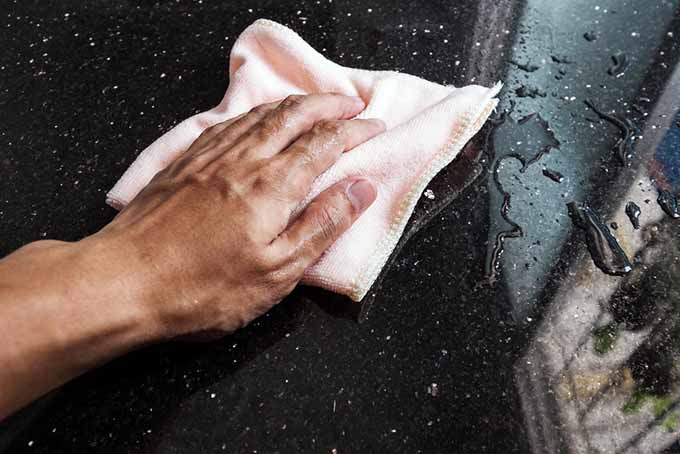
يعتمد ذلك على استخدام اللوحة والبيئة المحيطة. نوصي بإعادة معايرة كاملة للوحة الجديدة أو ملحقات الجرانيت الدقيقة خلال عام من الشراء. في حال استخدام لوحة سطح الجرانيت بكثافة، يُنصح بتقصير هذه الفترة إلى ستة أشهر. يكشف الفحص الشهري لأخطاء القياس المتكررة باستخدام ميزان إلكتروني أو جهاز مماثل عن أي علامات تآكل، ولا يستغرق الأمر سوى بضع دقائق. بعد تحديد نتائج إعادة المعايرة الأولى، يمكن تمديد أو تقصير فترة المعايرة وفقًا لما يسمح به أو يتطلبه نظام الجودة الداخلي لديكم.
يمكننا تقديم خدمة لمساعدتك في فحص ومعايرة لوحة سطح الجرانيت الخاصة بك.

هناك عدة أسباب محتملة للاختلافات بين عمليات المعايرة:
- تم غسل السطح بمحلول ساخن أو بارد قبل المعايرة، ولم يُمنح وقتًا كافيًا للتطبيع.
- الصفيحة مدعومة بشكل غير صحيح
- تغير درجة الحرارة
- مسودات
- تجنب تعريض سطح الطبق لأشعة الشمس المباشرة أو أي مصدر حرارة إشعاعية أخرى. تأكد من عدم تسخين السطح بواسطة الإضاءة العلوية.
- الاختلافات في تدرج درجة الحرارة الرأسي بين الشتاء والصيف (إذا أمكن، معرفة درجة حرارة التدرج الرأسي في وقت إجراء المعايرة).
- لم يُمنح الطبق وقتاً كافياً للعودة إلى وضعه الطبيعي بعد الشحن.
- الاستخدام غير السليم لمعدات الفحص أو استخدام معدات غير معايرة
- تغير السطح الناتج عن التآكل
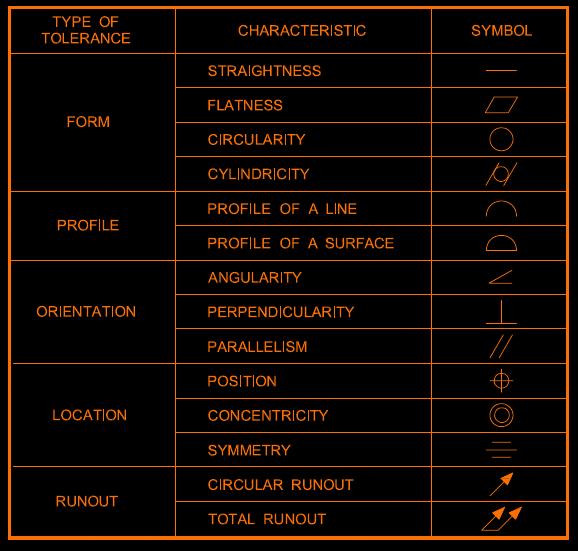
كم عدد أنواع الثقوب الموجودة على الجرانيت الدقيق؟
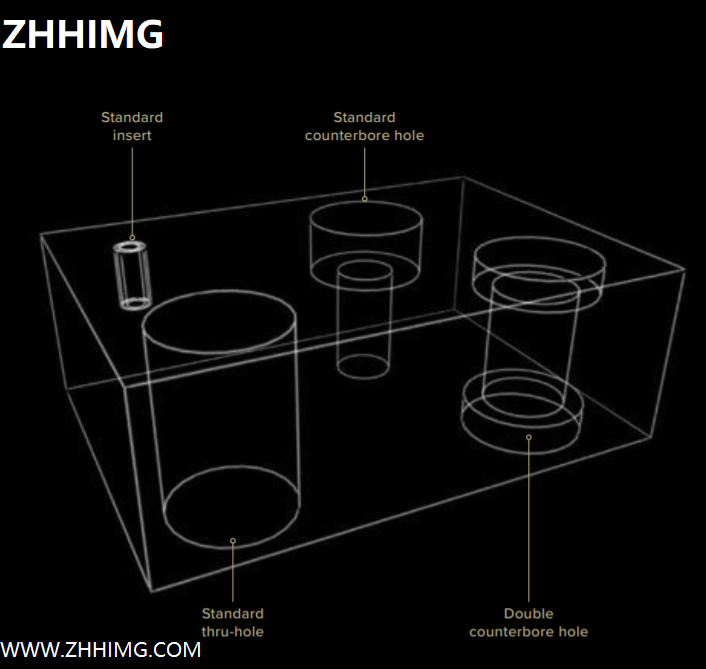
فتحات على مكونات جرانيتية دقيقة
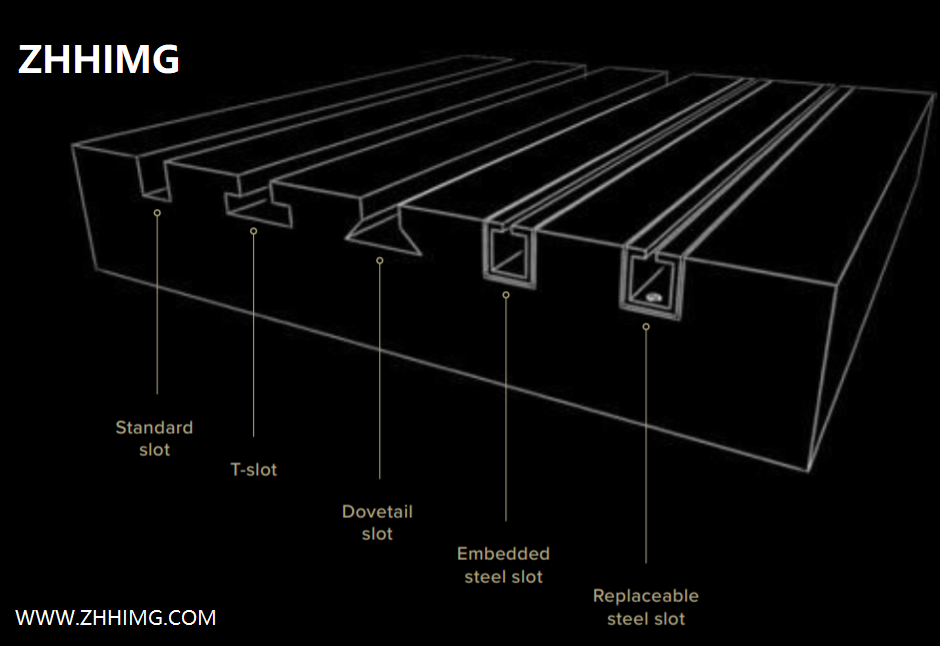
تعتمد العديد من المصانع وغرف الفحص والمختبرات على ألواح الجرانيت الدقيقة كأساس للقياسات الدقيقة. ولأن كل قياس خطي يعتمد على سطح مرجعي دقيق تُؤخذ منه الأبعاد النهائية، فإن ألواح الجرانيت تُوفر أفضل سطح مرجعي لفحص العمل وتخطيطه قبل التشغيل الآلي. كما أنها تُعد قواعد مثالية لقياس الارتفاعات ومعايرة الأسطح. علاوة على ذلك، فإن درجة التسطيح العالية والاستقرار والجودة الشاملة والحرفية المتقنة تجعلها خيارًا جيدًا لتركيب أنظمة القياس الميكانيكية والإلكترونية والبصرية المتطورة. ومن الضروري الحفاظ على معايرة ألواح الجرانيت في جميع عمليات القياس هذه.
القياسات المتكررة والتسطيح
يُعدّ كلٌّ من استواء السطح وتكرار القياسات أمرًا بالغ الأهمية لضمان دقة السطح. يُمكن تعريف استواء السطح بأنه احتواء جميع النقاط على السطح ضمن مستويين متوازيين، هما المستوى الأساسي ومستوى السقف. ويُقاس استواء السطح الكلي بقياس المسافة بين هذين المستويين. عادةً ما يتضمن قياس استواء السطح هامش سماحية، وقد يُصنّف ضمن فئة معينة.
تم تحديد تفاوتات التسطيح لثلاث درجات قياسية في المواصفات الفيدرالية وفقًا للصيغة التالية:
معايير DIN، ومعايير GB، ومعايير ASME، ومعايير JJS... دول مختلفة بمعايير مختلفة...
إلى جانب استواء السطح، يجب ضمان قابلية التكرار. يُقصد بالقياس المتكرر قياس مناطق الاستواء الموضعية، أي القياس الذي يُجرى في أي مكان على سطح الصفيحة ويتكرر ضمن التفاوت المسموح به. يضمن التحكم في استواء المناطق الموضعية بدقة أعلى من دقة الاستواء الكلي تغييرًا تدريجيًا في شكل سطح الصفيحة، مما يقلل من الأخطاء الموضعية.
لضمان استيفاء ألواح الأسطح الجرانيتية لمواصفات التسطيح ودقة القياس المتكرر، ينبغي على مصنعيها استخدام المواصفة الفيدرالية GGG-P-463c كأساس لمواصفاتهم. تتناول هذه المواصفة دقة القياس المتكرر، وخصائص مادة الجرانيت المستخدم في ألواح الأسطح، وتشطيب السطح، وموقع نقطة الدعم، والصلابة، وطرق الفحص المقبولة، وتركيب الحشوات الملولبة.
التحقق من دقة لوحة الترخيص
باتباع بعض الإرشادات البسيطة، يمكن أن يدوم الاستثمار في لوحة سطحية من الجرانيت لسنوات عديدة. يختلف تواتر فحص دقة اللوحة السطحية تبعًا لاستخدامها، وبيئة العمل، ومستوى الدقة المطلوب. القاعدة العامة هي إعادة معايرة اللوحة الجديدة بالكامل خلال عام من شرائها. أما إذا كانت اللوحة تُستخدم بكثرة، فيُنصح بتقليص هذه الفترة إلى ستة أشهر.
قبل أن يتآكل سطح اللوح السطحي إلى ما يتجاوز المواصفات المطلوبة لسطحه المستوي، ستظهر عليه علامات تآكل أو تموج. يُساعد الفحص الشهري باستخدام مقياس قراءة التكرار على تحديد مواضع التآكل. مقياس قراءة التكرار هو أداة عالية الدقة تكشف الأخطاء الموضعية، ويمكن عرض نتائجها على مكبر إلكتروني عالي التكبير.
ينبغي أن يتضمن برنامج الفحص الفعال فحوصات دورية باستخدام جهاز قياس المحاذاة التلقائية، مما يوفر معايرة فعلية للتسطيح الكلي قابلة للتتبع إلى المعهد الوطني للمعايير والتكنولوجيا (NIST). وتُعد المعايرة الشاملة من قِبل الشركة المصنعة أو شركة مستقلة ضرورية من حين لآخر.
الاختلافات بين المعايرات
في بعض الحالات، توجد اختلافات بين معايرات الألواح السطحية. أحيانًا، تُعزى هذه الاختلافات إلى عوامل مثل تغير السطح الناتج عن التآكل، أو الاستخدام غير الصحيح لمعدات الفحص، أو استخدام معدات غير معايرة. ومع ذلك، فإن العاملين الأكثر شيوعًا هما درجة الحرارة والدعم.
تُعدّ درجة الحرارة من أهم المتغيرات. فعلى سبيل المثال، قد يكون السطح قد غُسل بمحلول ساخن أو بارد قبل المعايرة ولم يُمنح وقتًا كافيًا للاستقرار. ومن الأسباب الأخرى لتغير درجة الحرارة تيارات الهواء البارد أو الساخن، وأشعة الشمس المباشرة، والإضاءة العلوية، أو مصادر الحرارة الإشعاعية الأخرى على سطح اللوحة.
قد تختلف درجات الحرارة الرأسية بين فصلي الشتاء والصيف. في بعض الحالات، لا يُمنح اللوح وقتًا كافيًا للاستقرار بعد الشحن. لذا، يُنصح بتسجيل درجة الحرارة الرأسية عند إجراء المعايرة.
من الأسباب الشائعة الأخرى لاختلافات المعايرة عدم تثبيت اللوحة بشكل صحيح. يجب تثبيت لوحة السطح في ثلاث نقاط، يُفضل أن تكون على بُعد 20% من طولها من طرفيها. يجب تثبيت نقطتي تثبيت على بُعد 20% من عرضها من جانبيها الطويلين، بينما يجب أن تكون نقطة التثبيت المتبقية في المنتصف.
لا يمكن تثبيت اللوحة بثبات إلا على ثلاثة نقاط فقط، باستثناء الأسطح الدقيقة. محاولة تثبيت اللوحة على أكثر من ثلاث نقاط ستؤدي إلى حصولها على الدعم من تركيبات مختلفة من ثلاث نقاط، وهي ليست نفس النقاط الثلاث التي كانت مثبتة عليها أثناء التصنيع. هذا سيؤدي إلى أخطاء نتيجة انحراف اللوحة لتتوافق مع ترتيب الدعم الجديد. يُنصح باستخدام حوامل فولاذية مزودة بعوارض دعم مصممة لتتوافق مع نقاط الدعم الصحيحة. تتوفر هذه الحوامل عادةً لدى مُصنِّع ألواح الأسطح.
إذا كانت اللوحة مدعومة بشكل صحيح، فإن التسوية الدقيقة ضرورية فقط إذا نصّ التطبيق على ذلك. ولا تُعدّ التسوية ضرورية للحفاظ على دقة اللوحة المدعومة بشكل صحيح.
إطالة عمر الألواح
اتباع بعض الإرشادات سيقلل من تآكل لوح الجرانيت السطحي، وفي النهاية، سيطيل عمره.
أولاً، من المهم الحفاظ على نظافة الصفيحة. عادةً ما يكون الغبار الكاشط المحمول جواً هو المصدر الأكبر للتآكل والتمزق في الصفيحة، حيث يميل إلى الالتصاق بقطع العمل وأسطح التلامس للمقاييس.
من المهم أيضاً تغطية الألواح لحمايتها من الغبار والتلف. ويمكن إطالة عمرها الافتراضي بتغطية اللوحة عند عدم استخدامها.
قم بتدوير اللوحة بشكل دوري لتجنب تعرض منطقة واحدة للاستخدام المفرط. كما يُنصح باستبدال وسادات التلامس الفولاذية في أجهزة القياس بوسادات من الكربيد.
تجنب وضع الطعام أو المشروبات الغازية على الطبق. تحتوي العديد من المشروبات الغازية على حمض الكربونيك أو حمض الفوسفوريك، مما قد يؤدي إلى إذابة المعادن الأقل صلابة وترك حفر صغيرة على السطح.
أين نعيد الالتواء؟
عند الحاجة إلى إعادة تسوية سطح لوحة من الجرانيت، يُنصح بالتفكير في إجراء هذه الخدمة في الموقع أو في مركز المعايرة. يُفضل دائمًا إعادة تسوية اللوحة في المصنع أو في مركز متخصص. مع ذلك، إذا لم تكن اللوحة متآكلة بشكل كبير، أي ضمن نطاق 0.001 بوصة من التفاوت المسموح به، فيمكن إعادة تسويتها في الموقع. أما إذا كانت اللوحة متآكلة لدرجة تجاوزت فيها التفاوت المسموح به 0.001 بوصة، أو إذا كانت بها حفر أو خدوش عميقة، فيجب إرسالها إلى المصنع لصقلها قبل إعادة تسويتها.
يحتوي مرفق المعايرة على المعدات وإعدادات المصنع التي توفر الظروف المثلى لمعايرة اللوحة بشكل صحيح وإعادة العمل إذا لزم الأمر.
يجب توخي الحذر الشديد عند اختيار فني معايرة وإعادة تسوية الأسطح في الموقع. اطلب شهادة اعتماد وتأكد من أن المعدات التي سيستخدمها الفني تخضع لمعايرة موثقة. الخبرة عامل مهم أيضاً، إذ يتطلب إتقان صقل الجرانيت بدقة سنوات عديدة.
تبدأ القياسات الدقيقة باستخدام لوحة سطحية من الجرانيت عالية الدقة كأساس. ومن خلال ضمان مرجع موثوق باستخدام لوحة سطحية معايرة بشكل صحيح، يمتلك المصنّعون إحدى الأدوات الأساسية لإجراء قياسات موثوقة والحصول على قطع غيار ذات جودة أفضل.Q
قائمة التحقق من اختلافات المعايرة
1. تم غسل السطح بمحلول ساخن أو بارد قبل المعايرة ولم يتم منحه وقتًا كافيًا للتطبيع.
2. اللوحة غير مدعومة بشكل صحيح.
3. تغير درجة الحرارة.
4. المسودات.
5. تجنب تعريض سطح الطبق لأشعة الشمس المباشرة أو أي حرارة إشعاعية أخرى. تأكد من عدم تسخين السطح بواسطة الإضاءة العلوية.
6. التغيرات في تدرج درجة الحرارة الرأسي بين الشتاء والصيف. إذا أمكن، يجب معرفة درجة حرارة التدرج الرأسي وقت إجراء المعايرة.
7. لم يُمنح الطبق وقتاً كافياً للعودة إلى وضعه الطبيعي بعد الشحن.
8. الاستخدام غير السليم لمعدات الفحص أو استخدام معدات غير معايرة.
9. تغير السطح الناتج عن التآكل.
نصائح تقنية
- لأن كل قياس خطي يعتمد على سطح مرجعي دقيق يتم أخذ الأبعاد النهائية منه، فإن ألواح السطح توفر أفضل مستوى مرجعي لفحص العمل وتخطيطه قبل التشغيل الآلي.
- إن التحكم في تسطح المنطقة المحلية بدقة أكبر من التسطح الكلي يضمن تغييرًا تدريجيًا في شكل سطح التسطح، مما يقلل من الأخطاء المحلية.
- ينبغي أن يتضمن برنامج الفحص الفعال فحوصات منتظمة باستخدام جهاز قياس المحاذاة التلقائية، مما يوفر معايرة فعلية للتسطيح الكلي يمكن تتبعها إلى هيئة التفتيش الوطنية.
من بين الجزيئات المعدنية التي تُكوّن الجرانيت، يشكل الفلسبار والكوارتز أكثر من 90%، ويُعدّ الفلسبار هو الأكثر وفرة. غالبًا ما يكون الفلسبار أبيض أو رماديًا أو أحمرًا داكنًا، بينما يكون الكوارتز في الغالب عديم اللون أو أبيض رمادي، وهو ما يُشكّل اللون الأساسي للجرانيت. يُعتبر الفلسبار والكوارتز من المعادن الصلبة، ويصعب تحريكهما بسكين فولاذي. أما البقع الداكنة في الجرانيت، فهي تتكون أساسًا من الميكا السوداء، بالإضافة إلى بعض المعادن الأخرى. على الرغم من أن البيوتيت معدن لين نسبيًا، إلا أن قدرته على مقاومة الإجهاد ليست ضعيفة، ومع ذلك، توجد نسبته بكميات قليلة في الجرانيت، غالبًا أقل من 10%. هذه هي الحالة التي يتميز فيها الجرانيت بقوته الفائقة.
من الأسباب الأخرى التي تجعل الجرانيت قويًا هو ترابط جزيئاته المعدنية بإحكام وتداخلها مع بعضها البعض. غالبًا ما تشكل المسامات أقل من 1% من الحجم الكلي للصخر. وهذا ما يمنح الجرانيت القدرة على تحمل الضغوط العالية، ويجعله مقاومًا للرطوبة.
تُصنع مكونات الجرانيت من حجر مقاوم للصدأ والأحماض والقلويات، ويتميز بمقاومة عالية للتآكل وعمر خدمة طويل، ولا يحتاج إلى صيانة خاصة. تُستخدم مكونات الجرانيت الدقيقة بشكل أساسي في أدوات صناعة الآلات، ولذلك تُسمى مكونات الجرانيت الدقيقة أو مكونات الجرانيت. تتشابه خصائص مكونات الجرانيت الدقيقة بشكل أساسي مع خصائص منصات الجرانيت. مقدمة عن أدوات وقياس مكونات الجرانيت الدقيقة: تُعد تقنيات التصنيع الدقيق والتصنيع الميكروي من أهم اتجاهات التطوير في صناعة الآلات، وقد أصبحت مؤشرًا هامًا لقياس مستوى التكنولوجيا المتقدمة. يرتبط تطوير التكنولوجيا المتطورة والصناعات الدفاعية ارتباطًا وثيقًا بتقنيات التصنيع الدقيق والتصنيع الميكروي. يمكن تحريك مكونات الجرانيت بسلاسة أثناء القياس دون توقف. لا تؤثر الخدوش العادية على سطح العمل على دقة القياس. يجب تصميم مكونات الجرانيت وإنتاجها وفقًا لمتطلبات المستخدم.
مجال التطبيق:
كما نعلم جميعاً، فإن المزيد والمزيد من الآلات والمعدات تختار مكونات الجرانيت الدقيقة.
تُستخدم مكونات الجرانيت في الحركة الديناميكية، والمحركات الخطية، وآلات قياس الإحداثيات، وآلات التحكم الرقمي بالحاسوب، وآلات الليزر...
نرحب بتواصلكم معنا للحصول على مزيد من المعلومات.
تُصنع أجهزة قياس الجرانيت والمكونات الميكانيكية الجرانيتية من جرانيت جينان الأسود عالي الجودة. وبفضل دقتها العالية، ومتانتها، وثباتها الجيد، ومقاومتها للتآكل، فقد ازداد استخدامها في فحص المنتجات في الصناعات الحديثة، وفي مجالات علمية مثل الهندسة الميكانيكية، والفضاء، والبحوث العلمية.
المزايا
----صلابة ضعف صلابة الحديد الزهر؛
تُعزى التغيرات الطفيفة في الأبعاد إلى تغيرات درجة الحرارة؛
----خالٍ من التلف الناتج عن العصر، وبالتالي لا يوجد انقطاع في العمل؛
خالية من النتوءات أو الحواف البارزة بفضل بنيتها الحبيبية الدقيقة وقلة التصاقها، مما يضمن درجة عالية من التسطيح على مدى عمر خدمة طويل ولا يسبب أي ضرر للأجزاء أو الأدوات الأخرى؛
تشغيل خالٍ من المتاعب للاستخدام مع المواد المغناطيسية؛
----عمر طويل ومقاومة للصدأ، مما يؤدي إلى انخفاض تكاليف الصيانة.
يتم صقل ألواح سطح الجرانيت الدقيقة بدقة عالية لتحقيق مستوى عالٍ من التسطيح، وتستخدم كقاعدة لتركيب أنظمة القياس الميكانيكية والإلكترونية والبصرية المتطورة.
بعض السمات الفريدة للوحة السطح الجرانيتية:
التجانس في الصلابة؛
دقيق في ظل ظروف التحميل؛
مادة ماصة للاهتزازات؛
سهل التنظيف؛
مقاوم للالتواء؛
مسامية منخفضة؛
غير كاشط؛
غير مغناطيسي
مزايا ألواح سطح الجرانيت
أولاً، الصخرة بعد فترة طويلة من التقادم الطبيعي، ذات بنية موحدة، ومعامل أدنى، والإجهاد الداخلي يختفي تمامًا، ولا تتشوه، وبالتالي تكون الدقة عالية.
ثانياً، لن تحدث خدوش، ليس في ظل ظروف درجة حرارة ثابتة، وفي درجة حرارة الغرفة يمكن أيضاً الحفاظ على دقة قياس درجة الحرارة.
ثالثًا، لا يوجد تمغنط، ويمكن أن تكون القياسات سلسة الحركة، بدون شعور بالصرير، ولا تتأثر بالرطوبة، والمستوى ثابت.
رابعاً، الصلابة جيدة، والصلابة عالية، ومقاومة التآكل قوية.
خامساً، لا يخاف من التآكل الناتج عن الأحماض والسوائل القلوية، ولن يصدأ، ولا يحتاج إلى طلاء بالزيت، وليس من السهل أن يلتصق به الغبار الدقيق، سهل الصيانة، وعمر خدمة طويل.
لماذا نختار قاعدة من الجرانيت بدلاً من قاعدة آلة من الحديد الزهر؟
1. يمكن لقاعدة آلة الجرانيت أن تحافظ على دقة أعلى من قاعدة آلة الحديد الزهر. تتأثر قاعدة آلة الحديد الزهر بسهولة بدرجة الحرارة والرطوبة، بينما لا تتأثر قاعدة آلة الجرانيت بذلك.
2. مع نفس حجم قاعدة آلة الجرانيت وقاعدة الحديد الزهر، فإن قاعدة آلة الجرانيت أكثر فعالية من حيث التكلفة من قاعدة الحديد الزهر؛
3. قاعدة آلة الجرانيت الخاصة أسهل في التشطيب من قاعدة آلة الحديد الزهر.
تُعدّ ألواح الجرانيت أدوات أساسية في مختبرات الفحص في جميع أنحاء البلاد. يُمكّن سطحها المُعاير والمستوي للغاية المفتشين من استخدامها كمعيار أساسي لفحص الأجزاء ومعايرة الأجهزة. وبدون الثبات الذي توفره هذه الألواح، سيكون تصنيع العديد من الأجزاء ذات التفاوتات الدقيقة في مختلف المجالات التكنولوجية والطبية أكثر صعوبة، إن لم يكن مستحيلاً. وبالطبع، لاستخدام لوح الجرانيت لمعايرة وفحص المواد والأدوات الأخرى، يجب تقييم دقة الجرانيت نفسه. ويمكن للمستخدمين معايرة لوح الجرانيت لضمان دقته.
نظّف سطح الجرانيت قبل المعايرة. اسكب كمية صغيرة من منظف سطح الجرانيت على قطعة قماش نظيفة وناعمة، وامسح سطح الجرانيت. جفّف المنظف فورًا بقطعة قماش جافة. لا تدع سائل التنظيف يجف في الهواء.
ضع مقياس قياس متكرر في منتصف لوحة سطح الجرانيت.
قم بضبط مقياس القياس المتكرر على سطح لوحة الجرانيت.
حرك المقياس ببطء على سطح الجرانيت. راقب مؤشر المقياس وسجل أعلى ذروات أي اختلافات في الارتفاع أثناء تحريك الجهاز على اللوح.
قارن تفاوت استواء سطح اللوح مع التفاوتات المسموح بها للوحك، والتي تختلف باختلاف حجم اللوح ودرجة استواء الجرانيت. راجع المواصفة الفيدرالية GGG-P-463c (انظر الموارد) لتحديد ما إذا كان لوحك يفي بمتطلبات الاستواء لحجمه ودرجته. يُقاس استواء اللوح بالفرق بين أعلى نقطة وأدنى نقطة فيه.
تأكد من أن أكبر تباينات العمق على سطح اللوح تقع ضمن مواصفات التكرارية للوح من نفس الحجم والنوع. راجع المواصفة الفيدرالية GGG-P-463c (انظر الموارد) لتحديد ما إذا كان لوحك يفي بمتطلبات التكرارية لحجمه. ارفض لوح السطح إذا لم تستوفِ أي نقطة فيه متطلبات التكرارية.
توقف عن استخدام ألواح الجرانيت التي لا تستوفي المتطلبات الفيدرالية. أعد اللوح إلى الشركة المصنعة أو إلى شركة متخصصة في تركيب أسطح الجرانيت لإعادة صقله وفقًا للمواصفات.
نصيحة
قم بإجراء معايرات رسمية مرة واحدة على الأقل في السنة، على الرغم من أنه ينبغي معايرة ألواح سطح الجرانيت التي تتعرض للاستخدام المكثف بشكل متكرر.
غالباً ما يتم إجراء المعايرة الرسمية القابلة للتسجيل في بيئات التصنيع أو الفحص من قبل ضمان الجودة أو مورد خدمات المعايرة الخارجية، على الرغم من أنه يمكن لأي شخص استخدام مقياس قياس متكرر للتحقق بشكل غير رسمي من لوحة السطح قبل الاستخدام.
التاريخ المبكر لألواح سطح الجرانيت
قبل الحرب العالمية الثانية، كان المصنّعون يستخدمون ألواحًا فولاذية سطحية لفحص أبعاد القطع. وخلال الحرب، ازداد الطلب على الفولاذ بشكل كبير، ما أدى إلى صهر كميات هائلة من الألواح الفولاذية السطحية. لذا، برزت الحاجة إلى بديل، وأصبح الجرانيت المادة المفضلة نظرًا لخصائصه المترولوجية الفائقة.
برزت عدة مزايا للجرانيت مقارنةً بالفولاذ. فالجرانيت أصلب، وإن كان أكثر هشاشة وعرضة للتشقق. ويمكن صقل الجرانيت للحصول على سطح مستوٍ بشكل أكبر وأسرع من الفولاذ. كما يتميز الجرانيت بانخفاض معامل التمدد الحراري مقارنةً بالفولاذ. علاوة على ذلك، إذا احتاجت صفيحة فولاذية إلى إصلاح، كان لا بد من كشطها يدويًا بواسطة حرفيين يمتلكون أيضًا مهاراتهم في إعادة بناء أدوات الآلات.
على هامش الموضوع، لا تزال بعض ألواح الأسطح الفولاذية قيد الاستخدام حتى اليوم.
الخواص المترولوجية لألواح الجرانيت
الجرانيت صخر ناري يتكون من ثورات بركانية. أما الرخام، فهو حجر جيري متحول. لأغراض القياس، يجب أن يستوفي الجرانيت المختار متطلبات محددة واردة في المواصفة الفيدرالية GGG-P-463c، والتي يُشار إليها فيما يلي بالمواصفات الفيدرالية، وتحديدًا الجزء 3.1. ينص هذا الجزء على أن يكون الجرانيت ذو نسيج حبيبي ناعم إلى متوسط.
الجرانيت مادة صلبة، لكن صلابته تختلف لعدة أسباب. يستطيع فني ألواح الجرانيت الخبير تقدير صلابته من خلال لونه، الذي يدل على محتواه من الكوارتز. تُحدد صلابة الجرانيت جزئيًا بكمية الكوارتز فيه ونسبة الميكا. يميل الجرانيت الأحمر والوردي إلى أن يكون الأكثر صلابة، بينما يتميز الجرانيت الرمادي بصلابة متوسطة، أما الجرانيت الأسود فهو الأقل صلابة.
يُستخدم معامل يونغ للمرونة للتعبير عن مرونة الحجر أو مؤشر صلابته. يتراوح متوسط صلابة الجرانيت الوردي بين 3 و5 نقاط، والرمادي بين 5 و7 نقاط، والأسود بين 7 و10 نقاط. كلما انخفض الرقم، زادت صلابة الجرانيت، وكلما ارتفع، زادت ليونته ومرونته. من المهم معرفة صلابة الجرانيت عند اختيار السماكة المطلوبة لدرجات التفاوت المسموح بها، وكذلك عند تحديد وزن الأجزاء والمقاييس الموضوعة عليه.
في الماضي، حين كان هناك فنيو خراطة حقيقيون، يُعرفون بكتيبات جداول حساب المثلثات التي يحملونها في جيوب قمصانهم، كان يُعتبر الجرانيت الأسود "الأفضل". ويُعرّف الأفضل بأنه النوع الذي يُوفر أعلى مقاومة للتآكل أو يتميز بصلابته. ومن عيوبه أن الجرانيت الصلب يميل إلى التشقق أو الخدش بسهولة أكبر. وقد كان فنيو الخراطة مقتنعين تمامًا بأن الجرانيت الأسود هو الأفضل لدرجة أن بعض مصنعي الجرانيت الوردي قاموا بصبغه باللون الأسود.
لقد شاهدتُ بنفسي لوحًا سقط من رافعة شوكية أثناء نقله من المخزن. ارتطم اللوح بالأرض وانقسم إلى نصفين كاشفًا عن لونه الوردي الحقيقي. توخّ الحذر عند التخطيط لشراء جرانيت أسود من الصين. ننصحك بإهدار أموالك بطريقة أخرى. قد تختلف صلابة لوح الجرانيت نفسه. قد تكون طبقة من الكوارتز أصلب بكثير من باقي سطح اللوح. كما أن طبقة من الجابرو الأسود قد تجعل منطقة ما أكثر ليونة. يعرف فنيو إصلاح ألواح الجرانيت المدربون تدريبًا جيدًا وذوو الخبرة كيفية التعامل مع هذه المناطق اللينة.
درجات ألواح السطح
توجد أربع درجات من ألواح الأسطح: الدرجة المختبرية AA وA، ودرجة فحص الغرف B، والدرجة الرابعة هي درجة الورشة. تُعدّ الدرجتان AA وA الأكثر استواءً، حيث تصل دقة استواء لوح الدرجة AA إلى أقل من 0.00001 بوصة. أما ألواح الورشة فهي الأقل استواءً، وكما يوحي اسمها، فهي مُخصصة للاستخدام في غرف الأدوات. بينما تُستخدم الدرجات AA وA وB في مختبرات الفحص أو مراقبة الجودة.
Pاختبار روبر لمعايرة لوحة السطح
لطالما أخبرتُ زبائني أنني أستطيع أن أُعلّم أي طفل في العاشرة من عمره كيفية فحص الأطباق في غضون أيام قليلة. الأمر ليس صعبًا. يتطلب الأمر بعض المهارة لإنجاز المهمة بسرعة، وهي مهارات تُكتسب مع الوقت والممارسة. أودّ أن أُعلمكم، وأُشدّد على ذلك بشدة، أن معيار Fed Spec GGG-P-463c ليس إجراءً للمعايرة! سنتحدث عن ذلك لاحقًا.
يُعدّ معايرة مستوى التسطيح الكلي (متوسط مستوى السطح) واختبارات التكرارية (التآكل الموضعي) أمراً ضرورياً وفقاً لمواصفات الاتحاد. والاستثناء الوحيد لذلك هو مع الألواح الصغيرة حيث تكون التكرارية فقط هي المطلوبة.
كذلك، وبنفس القدر من الأهمية كالاختبارات الأخرى، يُعد اختبار التدرجات الحرارية. (انظر دلتا تي أدناه)
الشكل 1
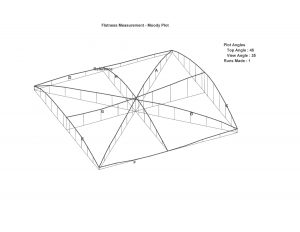
تعتمد اختبارات التسطيح أربع طرق معتمدة: الموازين الإلكترونية، والقياس الذاتي، والليزر، وجهاز تحديد مستوى السطح. نستخدم الموازين الإلكترونية فقط لأنها الطريقة الأدق والأسرع لعدة أسباب.
تستخدم أجهزة الليزر وأجهزة التوجيه الذاتي شعاعًا ضوئيًا مستقيمًا جدًا كمرجع. يُقاس استقامة سطح لوح من الجرانيت بمقارنة التغير في المسافة بين اللوح والشعاع الضوئي. وباستخدام شعاع ضوئي مستقيم، وتوجيهه نحو هدف عاكس مع تحريك هذا الهدف لأسفل على سطح اللوح، تُقاس المسافة بين الشعاع المنبعث والشعاع العائد، ما يُعطي قياسًا للاستقامة.
تكمن مشكلة هذه الطريقة في أن الهدف والمصدر يتأثران بالاهتزازات، ودرجة الحرارة المحيطة، وعدم استواء الهدف أو وجود خدوش عليه، والتلوث في الهواء، وحركة الهواء (التيارات). كل هذه العوامل تزيد من احتمالية الخطأ. علاوة على ذلك، فإن خطأ المشغل الناتج عن عمليات الفحص باستخدام جهاز التوجيه الذاتي يكون أكبر.
يستطيع مستخدم جهاز قياس المحاذاة الذاتية ذو الخبرة إجراء قياسات دقيقة للغاية، ولكنه لا يزال يواجه مشاكل في اتساق القراءات، خاصةً على مسافات طويلة، حيث تميل الانعكاسات إلى الاتساع أو تصبح ضبابية بعض الشيء. كما أن عدم استواء الهدف تمامًا، بالإضافة إلى التحديق المطول عبر العدسة طوال اليوم، يُنتج أخطاءً إضافية.
جهاز تحديد موقع السطح غير عملي. يعتمد هذا الجهاز على شعاع ضوئي مستقيم نسبيًا (مقارنةً بشعاع ليزر أو شعاع ليزر مستقيم تمامًا) كمرجع. فضلًا عن أن الجهاز الميكانيكي يستخدم مؤشرًا بدقة 20 ميكروبوصة فقط، فإن عدم استقامة القضيب واختلاف المواد يزيدان بشكل كبير من أخطاء القياس. في رأينا، على الرغم من أن هذه الطريقة مقبولة، إلا أن أي مختبر كفء لن يستخدم جهاز تحديد موقع السطح كأداة فحص نهائية.
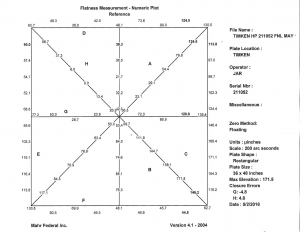
تستخدم أجهزة التسوية الإلكترونية الجاذبية كمرجع لها. ولا تتأثر أجهزة التسوية الإلكترونية التفاضلية بالاهتزازات. تتميز بدقة تصل إلى 0.1 ثانية قوسية، وتتميز قياساتها بالسرعة والدقة، مع هامش خطأ ضئيل للغاية من المشغل الخبير. ولا توفر أجهزة تحديد المواقع المستوية ولا أجهزة التوجيه الذاتي رسومات طوبوغرافية (الشكل 1) أو رسومات متساوية القياس (الشكل 2) مُولّدة حاسوبيًا للسطح.
الشكل 2
اختبار استواء السطح المناسب
يُعدّ اختبار استواء السطح جزءًا بالغ الأهمية من هذه الورقة، لذا كان من الأجدر إدراجه في البداية. وكما ذُكر سابقًا، فإنّ المواصفة الفيدرالية GGG-p-463c ليست طريقة معايرة، بل هي بمثابة دليل إرشادي للعديد من جوانب الجرانيت المُصنّف وفقًا لمعايير القياس، والذي تستهدفه أي وكالة حكومية فيدرالية، ويشمل ذلك طرق الاختبار والتفاوتات أو الدرجات. إذا ادّعى المقاول التزامه بالمواصفات الفيدرالية، فسيتم تحديد قيمة الاستواء باستخدام طريقة مودي.
كان مودي زميلًا من خمسينيات القرن الماضي، ابتكر طريقة رياضية لتحديد مدى استواء السطح بشكل عام، مع مراعاة اتجاه الخطوط المختبرة، ومدى تقاربها في نفس المستوى. لم يتغير شيء منذ ذلك الحين. حاولت شركة "ألايد سيجنال" تحسين هذه الطريقة الرياضية، لكنها خلصت إلى أن الفروقات ضئيلة للغاية لدرجة أنها لا تستحق الجهد المبذول.
إذا استخدم فنيّو ألواح التسوية أجهزة التسوية الإلكترونية أو الليزر، فإنهم يستعينون بالحاسوب لإجراء الحسابات. أما الفنيّون الذين يستخدمون نظام التوجيه الذاتي، فيضطرون إلى حساب القراءات يدويًا دون مساعدة الحاسوب. في الواقع، لا يفعلون ذلك، إذ يستغرق الأمر وقتًا طويلًا وقد يكون صعبًا للغاية. في اختبار التسطيح باستخدام طريقة مودي، يختبر الفنيّ ثمانية خطوط مرتبة على شكل علم المملكة المتحدة للتأكد من استقامتها.
طريقة مودي
طريقة مودي هي طريقة رياضية لتحديد ما إذا كانت الخطوط الثمانية تقع على نفس المستوى. وإلا، فستحصل على ثمانية خطوط مستقيمة قد تقع أو لا تقع على نفس المستوى أو بالقرب منه. علاوة على ذلك، فإن المقاول الذي يدعي الالتزام بالمواصفات الفيدرالية ويستخدم نظام التوجيه الذاتي، هويجبيُنشئ ثماني صفحات من البيانات. صفحة واحدة لكل سطر تم فحصه لإثبات الاختبار أو الإصلاح أو كليهما. وإلا، فلن يكون لدى المقاول أي فكرة عن قيمة التسطيح الحقيقية.
أنا متأكد من أنك، إن كنت ممن يقومون بمعايرة ألواحهم بواسطة مقاول باستخدام تقنية التوجيه الذاتي، لم ترَ تلك الصفحات من قبل! الشكل 3 هو مثال علىواحد فقطيلزم وجود ثماني صفحات لحساب الاستواء الكلي. ومن دلائل هذا الجهل وسوء النية استخدام أرقام مُقرّبة في التقرير، مثل 200، 400، 650، إلخ. القيمة المحسوبة بشكل صحيح هي رقم حقيقي، مثل 325.4 ميكروبوصة. عندما يستخدم المقاول طريقة مودي للحسابات، ويقوم الفني بحساب القيم يدويًا، يجب أن تتلقى ثماني صفحات من الحسابات ورسمًا بيانيًا متساوي القياس. يُظهر الرسم البياني متساوي القياس الارتفاعات المختلفة على طول الخطوط المختلفة والمسافة الفاصلة بين نقاط التقاطع المختارة.
الشكل 3(يتطلب الأمر ثماني صفحات كهذه لحساب استواء السطح يدويًا. تأكد من السؤال عن سبب عدم حصولك على هذه المعلومات إذا كان المقاول يستخدم نظام التوجيه الآلي!)
الشكل 4
يستخدم فنيو القياسات البُعدية موازين التسوية التفاضلية (الشكل 4) كأجهزة مفضلة لقياس التغيرات الطفيفة في الزاوية بين محطات القياس. تتميز هذه الموازين بدقة تصل إلى 0.1 ثانية قوسية (5 ميكروبوصة باستخدام منزلق 4 بوصات)، وهي فائقة الثبات، ولا تتأثر بالاهتزازات، أو المسافات المقاسة، أو تيارات الهواء، أو إجهاد المشغل، أو تلوث الهواء، أو أي من المشاكل المتأصلة في الأجهزة الأخرى. وبإضافة دعم الحاسوب، تصبح المهمة سريعة نسبيًا، حيث تُنتج رسومات طبوغرافية ورسومات متساوية القياس تُثبت صحة القياس، والأهم من ذلك، تُثبت عملية الإصلاح.
اختبار التكرارية المناسب
يُعد اختبار التكرار أو قابلية التكرار أهم الاختبارات. يتكون الجهاز المستخدم لإجراء هذا الاختبار من وحدة قراءة متكررة، ومحول إزاحة خطي تفاضلي (LVDT)، ومضخم إشارة ضروري للحصول على قراءات عالية الدقة. نضبط مضخم إشارة LVDT على دقة لا تقل عن 10 ميكروبوصة، أو 5 ميكروبوصة للألواح عالية الدقة.
استخدام مؤشر ميكانيكي بدقة 20 ميكروبوصة فقط غير مجدٍ إذا كنت تحاول اختبار متطلبات التكرارية البالغة 35 ميكروبوصة. يبلغ هامش الخطأ في المؤشرات 40 ميكروبوصة! يُحاكي إعداد القراءة المتكررة تكوين مقياس الارتفاع/القطعة.
لا يُعدّ التكرار مرادفًا للتسطيح الكلي (المستوى المتوسط). أُفضّل النظر إلى التكرار في الجرانيت على أنه قياس ثابت لنصف القطر.
الشكل 5
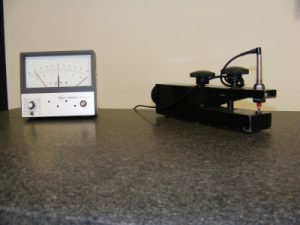
إذا اختبرتَ قابلية تكرار شكل كرة مستديرة، فقد أثبتَّ أن نصف قطر الكرة لم يتغير. (يتميز الشكل المثالي للوحة مُصلَّحة بشكل صحيح بسطح محدب). مع ذلك، من الواضح أن الكرة ليست مسطحة تمامًا. حسنًا، هي مسطحة نوعًا ما. على مسافة قصيرة جدًا، تكون مسطحة. بما أن معظم أعمال الفحص تتضمن استخدام مقياس ارتفاع قريب جدًا من القطعة، فإن قابلية التكرار تُصبح الخاصية الأكثر أهمية للوحة الجرانيتية. وهي أهم من استواء السطح الكلي إلا إذا كان المستخدم يتحقق من استقامة قطعة طويلة.
تأكد من أن المقاول يُجري اختبار قراءة متكررة. قد تُظهر اللوحة قراءة متكررة خارجة عن النطاق المسموح به بشكل كبير، ومع ذلك تجتاز اختبار التسطيح! من المثير للدهشة أن بعض المختبرات قد تحصل على اعتماد في اختبارات لا تشمل اختبار القراءة المتكررة. المختبرات التي لا تستطيع الإصلاح أو ليست بارعة فيه تُفضل إجراء اختبار التسطيح فقط. نادرًا ما يتغير التسطيح إلا إذا تم تحريك اللوحة.
يُعد اختبار القراءة المتكررة الأسهل في الاختبار، ولكنه الأصعب في التنفيذ عند استخدام تقنية الصقل. تأكد من قدرة المقاول على استعادة التكرارية دون إحداث أي انخفاض أو تموجات في السطح.
اختبار دلتا تي
يتضمن هذا الاختبار قياس درجة الحرارة الفعلية للحجر عند سطحه العلوي وسطحه السفلي وحساب الفرق، دلتا تي، للإبلاغ عنه في الشهادة.
من المهم معرفة أن متوسط معامل التمدد الحراري في الجرانيت هو 3.5 ميكروبوصة/بوصة/درجة. تأثير درجة الحرارة المحيطة والرطوبة على لوح الجرانيت ضئيل. مع ذلك، قد يخرج سطح اللوح عن نطاق التفاوت المسموح به، أو قد يتحسن أحيانًا، حتى مع فرق في درجة الحرارة يتراوح بين 0.3 و0.5 درجة فهرنهايت. من الضروري التأكد من أن فرق درجة الحرارة لا يتجاوز 0.12 درجة فهرنهايت عن القيمة المرجعية لآخر معايرة.
من المهم أيضًا معرفة أن سطح عمل اللوح يتحرك باتجاه الحرارة. فإذا كانت درجة حرارة الجزء العلوي أعلى من السفلي، يرتفع السطح العلوي. أما إذا كان الجزء السفلي أدفأ، وهو أمر نادر الحدوث، ينخفض السطح العلوي. لا يكفي لمدير الجودة أو الفني معرفة أن اللوح مسطح وقابل للتكرار وقت المعايرة أو الإصلاح، بل يكفي معرفة فرق درجة الحرارة (ΔT) وقت اختبار المعايرة النهائي. في الحالات الحرجة، يمكن للمستخدم، بقياس فرق درجة الحرارة بنفسه، تحديد ما إذا كان اللوح قد تجاوز حدود التفاوت المسموح به بسبب تغيرات فرق درجة الحرارة فقط. لحسن الحظ، يحتاج الجرانيت إلى ساعات أو حتى أيام للتأقلم مع البيئة المحيطة. ولن تؤثر عليه التقلبات الطفيفة في درجة الحرارة المحيطة خلال اليوم. لهذه الأسباب، لا نذكر درجة حرارة المعايرة المحيطة أو الرطوبة لأن تأثيرها ضئيل.
تآكل ألواح الجرانيت
على الرغم من أن الجرانيت أصلب من ألواح الفولاذ، إلا أنه لا يزال يُظهر انخفاضات على سطحه. يُعدّ تحريك الأجزاء والمقاييس بشكل متكرر على سطح اللوح المصدر الرئيسي للتآكل، خاصةً إذا كانت نفس المنطقة قيد الاستخدام باستمرار. يُسرّع تراكم الأوساخ وغبار الطحن على سطح اللوح عملية التآكل، حيث يتسرب بين الأجزاء أو المقاييس وسطح الجرانيت. عند تحريك الأجزاء والمقاييس على سطحه، عادةً ما يكون الغبار الكاشط سببًا إضافيًا للتآكل. أوصي بشدة بالتنظيف المستمر للحد من التآكل. لقد لاحظنا تآكلًا في الألواح نتيجة وضع طرود UPS اليومية عليها! تؤثر مناطق التآكل الموضعية هذه على قراءات اختبار تكرارية المعايرة. تجنب التآكل بالتنظيف المنتظم.
تنظيف ألواح الجرانيت
للحفاظ على نظافة اللوحة، استخدم قطعة قماش لاصقة لإزالة الأوساخ. اضغط برفق شديد حتى لا تترك أي بقايا غراء. قطعة القماش اللاصقة المستعملة جيدًا تُجيد التقاط غبار الطحن بين عمليات التنظيف. لا تعمل في نفس المكان، بل حرك أدواتك حول اللوحة لتوزيع الاحتكاك. يُمكنك استخدام الكحول لتنظيف اللوحة، ولكن انتبه إلى أن ذلك سيُبرد سطحها بشكل كبير مؤقتًا. الماء مع كمية قليلة من الصابون ممتاز. المنظفات المتوفرة تجاريًا، مثل منظف ستاريت، ممتازة أيضًا، ولكن تأكد من إزالة جميع بقايا الصابون عن السطح.
إصلاح ألواح الجرانيت
بات من الواضح الآن أهمية التأكد من أن مُقاول معايرة لوحة السطح يُجري معايرةً دقيقة. فنادراً ما تمتلك المختبرات التي تُقدّم برامج "كل شيء بمكالمة واحدة" فنياً مُختصاً بالإصلاحات. وحتى إن قدّمت هذه المختبرات خدمات الإصلاح، فليس لديها دائماً فنيٌّ ذو خبرة كافية عند تجاوز لوحة السطح حدود التفاوت المسموح به بشكلٍ كبير.
إذا قيل لك إن اللوحة غير قابلة للإصلاح بسبب التآكل الشديد، فاتصل بنا. على الأرجح يمكننا إصلاحها.
يخضع فنيونا لبرنامج تدريب مهني لمدة عام إلى عام ونصف تحت إشراف فني متخصص في معايرة وإصلاح الألواح السطحية. نُعرّف الفني المتخصص في معايرة وإصلاح الألواح السطحية بأنه من أتمّ فترة تدريبه المهني ولديه خبرة إضافية تزيد عن عشر سنوات في هذا المجال. لدينا في شركة Dimensional Gauge ثلاثة فنيين متخصصين بخبرة تراكمية تزيد عن 60 عامًا. يتوفر أحد هؤلاء الفنيين على مدار الساعة لتقديم الدعم والإرشاد عند مواجهة أي صعوبات. يتمتع جميع فنيينا بخبرة واسعة في معايرة الألواح السطحية بمختلف أحجامها، من الصغيرة إلى الكبيرة جدًا، وفي مختلف الظروف البيئية، وفي قطاعات صناعية متنوعة، بالإضافة إلى خبرتهم في التعامل مع مشاكل التآكل الكبيرة.
تتطلب المواصفات الفيدرالية تشطيبًا محددًا يتراوح متوسط خشونة السطح فيه بين 16 و64. ونحن نفضل تشطيبًا يتراوح بين 30 و35. هذه الخشونة كافية لضمان حركة الأجزاء والمقاييس بسلاسة وعدم التصاقها أو انحناءها على سطح اللوحة.
عند إجراء الإصلاحات، نفحص اللوحة للتأكد من تركيبها بشكل صحيح واستوائها. نستخدم طريقة الصقل الجاف، ولكن في حالات التآكل الشديد التي تتطلب إزالة كمية كبيرة من الجرانيت، نستخدم طريقة الصقل الرطب. يحرص فنيونا على تنظيف المكان بعد الانتهاء من العمل، فهم دقيقون وسريعون ومتقنون لعملهم. وهذا أمر بالغ الأهمية لأن تكلفة خدمة ألواح الجرانيت تشمل وقت توقف الإنتاج والخسائر الإنتاجية. يُعدّ الإصلاح الكفؤ ذا أهمية قصوى، ولا ينبغي أبدًا اختيار المقاول بناءً على السعر أو سهولة الوصول. تتطلب بعض أعمال المعايرة أفرادًا ذوي خبرة عالية، ونحن نمتلك هذه الخبرة.
تقارير المعايرة النهائية
نقدم تقارير احترافية مفصلة لكل عملية إصلاح ومعايرة للوحة السطح. تحتوي تقاريرنا على قدر كبير من المعلومات الهامة والضرورية. تتطلب المواصفات الفيدرالية معظم المعلومات التي قدمناها. باستثناء تلك الواردة في معايير الجودة الأخرى مثل ISO/IEC-17025، فإن الحد الأدنى من متطلبات المواصفات الفيدرالية للتقارير هو:
- المقاس بالقدم (س × س)
- لون
- النمط (يشير إلى عدم وجود حواف تثبيت أو وجود حافتين أو أربع حواف)
- معامل المرونة المقدر
- متوسط التفاوت في مستوى السطح (يتم تحديده حسب الدرجة/الحجم)
- تفاوت القراءة المتكررة (يتم تحديده من خلال طول القطر بالبوصة)
- المستوى المتوسط كما تم إيجاده
- المستوى المتوسط كما هو موضح في اليسار
- أعد القراءة كما هو موضح
- كرر القراءة كما في اليسار
- دلتا تي (فرق درجة الحرارة بين السطح العلوي والسفلي)
إذا احتاج الفني إلى إجراء أعمال صقل أو إصلاح للوحة السطح، فإن شهادة المعايرة تكون مصحوبة بمخطط طبوغرافي أو متساوي القياس لإثبات صحة الإصلاح.
كلمة حول اعتمادات ISO/IEC-17025 والمختبرات الحاصلة عليها
لا يعني حصول مختبر ما على اعتماد في معايرة الألواح السطحية بالضرورة أنه يمتلك الخبرة اللازمة، فضلاً عن إتقانه للعملية! كما لا يعني بالضرورة قدرته على إجراء الإصلاحات. ولا تُميّز جهات الاعتماد بين التحقق والمعايرة (الإصلاح).Aوأنا أعرف واحداً، ربما2هيئات الاعتماد التي سوفLرَابِطَةAلو دفعت لهم مبلغًا كافيًا، لمنحتُ كلبي شريطًا! إنه لأمرٌ مؤسف. لقد رأيتُ مختبرات تحصل على الاعتماد بإجراء اختبار واحد فقط من الاختبارات الثلاثة المطلوبة. بل رأيتُ مختبرات أخرى تحصل على الاعتماد بنسب خطأ غير واقعية، ودون أي دليل أو برهان على كيفية حسابها للقيم. إنه لأمرٌ مؤسف حقًا.
الخلاصة
لا يمكن الاستهانة بدور ألواح الجرانيت الدقيقة. فالسطح المستوي الذي توفره هذه الألواح هو الأساس الذي تُبنى عليه جميع القياسات الأخرى.
يمكنك استخدام أحدث أدوات القياس وأكثرها دقة وتعددًا في الاستخدام. مع ذلك، يصعب التأكد من دقة القياسات إذا لم يكن السطح المرجعي مستويًا. ذات مرة، قال لي أحد العملاء المحتملين: "حسنًا، إنه مجرد صخر!" فأجبته: "حسنًا، أنت محق، ولا يمكنك بالتأكيد تبرير الاستعانة بخبراء لصيانة ألواح السطح الخاصة بك."
لا يُعد السعر سببًا وجيهًا لاختيار مقاولي ألواح الأسطح. فالمشترون والمحاسبون وعددٌ كبيرٌ من مهندسي الجودة لا يدركون دائمًا أن إعادة اعتماد ألواح الجرانيت تختلف عن إعادة اعتماد الميكرومتر أو الفرجار أو جهاز القياس الرقمي المتعدد.
بعض الأدوات تتطلب خبرةً، لا سعراً زهيداً. مع ذلك، أسعارنا معقولة جداً، خاصةً مع ضمان إنجاز العمل على أكمل وجه. نحن نتجاوز متطلبات معيار ISO-17025 والمواصفات الفيدرالية من حيث القيمة المضافة.
تعتبر الألواح السطحية أساسًا للعديد من القياسات البُعدية، والعناية الصحيحة باللوح السطحي ضرورية لضمان دقة القياس.
يُعد الجرانيت المادة الأكثر شيوعًا في صناعة ألواح الأسطح نظرًا لخصائصه الفيزيائية المثالية، مثل صلابة السطح وانخفاض تأثره بتقلبات درجات الحرارة. مع ذلك، تتعرض هذه الألواح للتآكل مع الاستخدام المتكرر.
يُعدّ كلٌّ من استواء السطح وقابلية التكرار من الجوانب الحاسمة لتحديد ما إذا كانت الصفيحة توفر سطحًا دقيقًا لإجراء قياسات دقيقة. وتُحدد التفاوتات المسموح بها لكلا الجانبين بموجب المواصفات الفيدرالية GGG-P-463C، وDIN، وGB، وJJS... يُقاس استواء السطح بالمسافة بين أعلى نقطة (مستوى السقف) وأدنى نقطة (مستوى القاعدة) على الصفيحة. أما قابلية التكرار، فتُحدد ما إذا كان بالإمكان تكرار القياس المأخوذ من منطقة معينة على كامل سطح الصفيحة ضمن التفاوت المسموح به. وهذا يضمن عدم وجود أي نتوءات أو انخفاضات في سطح الصفيحة. إذا لم تكن القراءات ضمن الإرشادات المحددة، فقد يلزم إعادة تسوية السطح لإعادة القياسات إلى المواصفات المطلوبة.
يُعدّ إجراء معايرة دورية لألواح الأسطح ضروريًا لضمان استوائها وتكرار نتائجها بمرور الوقت. فريق القياس الدقيق في شركة كروس حاصل على اعتماد ISO 17025 لمعايرة استواء ألواح الأسطح وتكرار نتائجها. نستخدم نظام شهادة ألواح الأسطح من شركة ماهر، والذي يتضمن الميزات التالية:
- تحليل الحالة المزاجية والملف الشخصي،
- الرسومات متساوية القياس أو الرسومات العددية،
- متوسط التشغيل المتعدد، و
- التقييم الآلي وفقًا لمعايير الصناعة.
يحدد نموذج ماهر بمساعدة الكمبيوتر أي انحراف زاوي أو خطي عن المستوى المطلق، وهو مناسب تمامًا للتحديد الدقيق للغاية للألواح السطحية.
تختلف الفترات الزمنية بين عمليات المعايرة تبعًا لتكرار الاستخدام، والظروف البيئية المحيطة باللوحة، ومتطلبات الجودة الخاصة بشركتكم. قد تُتيح الصيانة السليمة للوحة السطحية فترات زمنية أطول بين كل معايرة، وتُجنّبكم تكلفة إعادة الصقل، والأهم من ذلك، تضمن دقة القياسات التي تحصلون عليها من اللوحة. على الرغم من أن اللوحات السطحية تبدو متينة، إلا أنها أدوات دقيقة ويجب التعامل معها على هذا الأساس. إليكم بعض الأمور التي يجب مراعاتها فيما يتعلق بالعناية بلوحاتكم السطحية:
- حافظ على نظافة الطبق، وإذا أمكن قم بتغطيته عندما لا يكون قيد الاستخدام.
- لا ينبغي وضع أي شيء على اللوحة باستثناء أدوات القياس أو القطع المراد قياسها.
- لا تستخدم نفس المكان على الطبق في كل مرة.
- إذا أمكن، قم بتدوير الطبق بشكل دوري.
- التزم بحدود الحمولة المسموح بها للوحة الخاصة بك
يمكن لقاعدة الجرانيت الدقيقة تحسين أداء أدوات الآلات
تتزايد المتطلبات باستمرار في الهندسة الميكانيكية عمومًا، وفي صناعة آلات التشغيل خصوصًا. ويُعدّ تحقيق أعلى مستويات الدقة والأداء دون زيادة التكاليف تحديًا دائمًا للمنافسة. ويُشكّل هيكل آلة التشغيل عاملًا حاسمًا في هذا الصدد. لذا، يعتمد المزيد من مصنّعي آلات التشغيل على الجرانيت، لما يوفّره من مزايا واضحة لا يُمكن تحقيقها باستخدام الفولاذ أو الخرسانة البوليمرية، وذلك بفضل خصائصه الفيزيائية.
الجرانيت هو ما يسمى بالصخور البركانية العميقة وله بنية كثيفة ومتجانسة للغاية مع معامل تمدد منخفض للغاية، وموصلية حرارية منخفضة، وتخميد اهتزازي عالٍ.
ستكتشف أدناه لماذا يعتبر الرأي الشائع بأن الجرانيت مناسب فقط كقاعدة لآلات قياس الإحداثيات المتطورة رأيًا قديمًا، ولماذا تعتبر هذه المادة الطبيعية كقاعدة لأدوات الآلات بديلاً مفيدًا للغاية للصلب أو الحديد الزهر حتى بالنسبة لأدوات الآلات عالية الدقة.
بإمكاننا تصنيع مكونات من الجرانيت للحركة الديناميكية، ومكونات من الجرانيت للمحركات الخطية، ومكونات من الجرانيت للاختبارات غير المتلفة، ومكونات من الجرانيت للأشعة السينية، ومكونات من الجرانيت لآلات قياس الإحداثيات، ومكونات من الجرانيت لآلات التحكم الرقمي الحاسوبي، ومكونات من الجرانيت عالية الدقة لليزر، ومكونات من الجرانيت لقطاع الطيران، ومكونات من الجرانيت للمراحل الدقيقة...
قيمة مضافة عالية بدون تكاليف إضافية
لا يعود تزايد استخدام الجرانيت في الهندسة الميكانيكية إلى الارتفاع الهائل في أسعار الفولاذ، بل إلى إمكانية تحقيق قيمة مضافة لآلات التشغيل باستخدام قاعدة مصنوعة من الجرانيت بتكلفة إضافية ضئيلة أو معدومة. ويؤكد ذلك مقارنة تكاليف شركات تصنيع آلات التشغيل المعروفة في ألمانيا وأوروبا.
لا يمكن تحقيق المكاسب الكبيرة في الاستقرار الديناميكي الحراري، وتخميد الاهتزازات، والدقة طويلة الأمد التي يوفرها الجرانيت باستخدام قاعدة من الحديد الزهر أو الفولاذ، أو بتكلفة باهظة نسبيًا. فعلى سبيل المثال، قد تصل الأخطاء الحرارية إلى 75% من إجمالي أخطاء الآلة، وغالبًا ما تُحاول البرامج تعويضها بنجاح محدود. وبفضل موصليته الحرارية المنخفضة، يُعد الجرانيت أساسًا أفضل لتحقيق دقة طويلة الأمد.
بفضل دقة تصل إلى 1 ميكرومتر، يلبي الجرانيت بسهولة متطلبات التسطيح وفقًا لمعيار DIN 876 لدرجة الدقة 00. وبقيمة 6 على مقياس الصلابة من 1 إلى 10، يُعد الجرانيت شديد الصلابة، وبوزنه النوعي البالغ 2.8 غ/سم³، يكاد يُضاهي وزن الألومنيوم. وينتج عن ذلك مزايا إضافية، مثل معدلات تغذية أعلى، وتسارع أكبر للمحاور، وإطالة عمر أدوات القطع في آلات القطع. وبالتالي، فإن استبدال قاعدة الماكينة المصبوبة بقاعدة من الجرانيت يرتقي بآلة القطع إلى فئة الآلات عالية الأداء من حيث الدقة والكفاءة، دون أي تكلفة إضافية.
تحسين البصمة البيئية للجرانيت
على عكس مواد مثل الفولاذ أو الحديد الزهر، لا يتطلب إنتاج الحجر الطبيعي كميات كبيرة من الطاقة أو استخدام إضافات. فعمليات استخراجه ومعالجة سطحه لا تتطلب سوى كميات قليلة نسبيًا من الطاقة. وهذا ما يُنتج عنه بصمة بيئية أفضل، حتى في نهاية عمر الآلة، تتجاوز بصمة الفولاذ كمادة خام. ويمكن أن تُشكّل طبقة الجرانيت أساسًا لآلة جديدة، أو أن تُستخدم لأغراض مختلفة تمامًا، مثل التقطيع في بناء الطرق.
ولا يوجد نقص في موارد الجرانيت. فهو صخر عميق يتكون من الصهارة داخل قشرة الأرض. وقد نضج على مدى ملايين السنين، وهو متوفر بكميات كبيرة كمورد طبيعي في جميع القارات تقريبًا، بما في ذلك أوروبا بأكملها.
الخلاصة: تُبرر المزايا العديدة والواضحة للجرانيت مقارنةً بالفولاذ أو الحديد الزهر، تزايد رغبة مهندسي الميكانيكا في استخدام هذه المادة الطبيعية كأساس لآلات التشغيل عالية الدقة والأداء. يمكنكم الاطلاع على معلومات تفصيلية حول خصائص الجرانيت، التي تُعدّ مفيدة لآلات التشغيل والهندسة الميكانيكية، في هذه المقالة.
القياس المتكرر هو قياس لمساحات التسطيح الموضعية. تنص مواصفات القياس المتكرر على أن أي قياس يُجرى في أي مكان على سطح الصفيحة سيتكرر ضمن التفاوت المسموح به. ويضمن التحكم في تسطيح المساحات الموضعية بدقة أكبر من التسطيح الكلي تغييرًا تدريجيًا في شكل سطح الصفيحة، مما يقلل من الأخطاء الموضعية.
تلتزم معظم الشركات المصنعة، بما في ذلك العلامات التجارية المستوردة، بالمواصفات الفيدرالية المتعلقة بتفاوتات التسطيح الكلي، لكن الكثير منها يتجاهل القياسات المتكررة. ولا تضمن العديد من الألواح منخفضة الجودة أو الرخيصة المتوفرة في السوق اليوم دقة القياسات المتكررة. إن الشركة المصنعة التي لا تضمن دقة القياسات المتكررة لا تنتج ألواحًا تفي بمتطلبات معيار ASME B89.3.7-2013 أو المواصفات الفيدرالية GGG-P-463c أو DIN 876 أو GB أو JJS...
كلاهما ضروريان لضمان سطح دقيق لإجراء قياسات دقيقة. لا تكفي مواصفات التسطيح وحدها لضمان دقة القياس. على سبيل المثال، لوحة سطحية من الدرجة A بقياس 36 × 48 بوصة، والتي لا تستوفي سوى مواصفات التسطيح البالغة 0.000300 بوصة. إذا كانت القطعة المراد فحصها تغطي عدة قمم، وكان المقياس المستخدم في منطقة منخفضة، فقد يصل خطأ القياس إلى الحد الأقصى المسموح به في منطقة واحدة، أي 0.000300 بوصة! في الواقع، قد يكون الخطأ أكبر بكثير إذا كان المقياس موضوعًا على منحدر.
قد تحدث أخطاء تتراوح بين 0.000600 و0.000800 بوصة، وذلك تبعًا لشدة الانحدار وطول ذراع جهاز القياس المستخدم. إذا كانت مواصفات تكرار القياس لهذه اللوحة 0.000050 بوصة، فسيكون خطأ القياس أقل من 0.000050 بوصة بغض النظر عن موضع القياس على اللوحة. مشكلة أخرى، تظهر عادةً عندما يحاول فني غير مُدرَّب إعادة تسوية سطح لوحة في الموقع، هي الاعتماد على تكرار القياسات فقط لاعتماد اللوحة.
إن الأجهزة المستخدمة للتحقق من قابلية التكرار ليست مصممة لفحص استواء السطح بشكل عام. فعند ضبطها على الصفر على سطح منحني تمامًا، ستستمر في قراءة الصفر، سواء كان هذا السطح مستويًا تمامًا أو مقعرًا تمامًا أو محدبًا بمقدار نصف بوصة! إنها ببساطة تتحقق من تجانس السطح، وليس استوائه. فقط الصفيحة التي تستوفي كلًا من مواصفات الاستواء ومواصفات قياس التكرار هي التي تفي حقًا بمتطلبات معيار ASME B89.3.7-2013 أو المواصفة الفيدرالية GGG-P-463c.
Ask us about or flatness specification and repeat measurement promise by calling +86 19969991659 or emailing INFO@ZHHIMG.COM
نعم، ولكن لا يمكن ضمانها إلا ضمن نطاق محدد من تدرج درجة الحرارة الرأسي. قد يؤدي التمدد الحراري للوحة إلى تغيير في الدقة يتجاوز التفاوت المسموح به في حال حدوث تغيير في التدرج. في بعض الحالات، إذا كان التفاوت المسموح به دقيقًا للغاية، فقد تتسبب الحرارة الممتصة من الإضاءة العلوية في تغيير ملحوظ في التدرج على مدى عدة ساعات.
يبلغ معامل التمدد الحراري للجرانيت حوالي 0.0000035 بوصة لكل بوصة لكل درجة فهرنهايت. على سبيل المثال: تتمتع لوحة سطحية بأبعاد 36 بوصة × 48 بوصة × 8 بوصات بدقة 0.000075 بوصة (نصف دقة الدرجة AA) عند تدرج حراري قدره 0 درجة فهرنهايت، حيث تكون درجة حرارة السطحين العلوي والسفلي متساوية. إذا ارتفعت درجة حرارة السطح العلوي للوحة بمقدار درجة فهرنهايت واحدة عن السطح السفلي، فإن الدقة ستتغير إلى 0.000275 بوصة محدبة! لذلك، لا يُنصح بطلب لوحة ذات دقة أعلى من دقة الدرجة AA المختبرية إلا في حال توفر نظام تحكم مناخي مناسب.
يجب تثبيت لوحة السطح في ثلاث نقاط، يُفضل أن تكون على بُعد 20% من طولها من طرفيها. يجب أن تكون نقطتا تثبيت على بُعد 20% من عرضها من جانبيها الطويلين، بينما يجب أن تكون نقطة التثبيت الثالثة في المنتصف. لا يمكن تثبيت أي شيء بثبات إلا على سطح دقيق باستخدام ثلاث نقاط تثبيت فقط.
يجب تثبيت الصفيحة عند هذه النقاط أثناء التصنيع، ويجب تثبيتها عند هذه النقاط الثلاث فقط أثناء الاستخدام. إن محاولة تثبيت الصفيحة عند أكثر من ثلاث نقاط ستؤدي إلى حصولها على الدعم من تركيبات مختلفة من ثلاث نقاط، والتي لن تكون هي نفسها النقاط الثلاث التي تم تثبيتها عليها أثناء التصنيع. سيؤدي ذلك إلى حدوث أخطاء نتيجة انحراف الصفيحة لتتوافق مع ترتيب التثبيت الجديد. جميع حوامل الصلب من zhhimg مزودة بعوارض تثبيت مصممة لتتوافق مع نقاط التثبيت الصحيحة.
إذا كانت اللوحة مدعومة بشكل صحيح، فإن التسوية الدقيقة ضرورية فقط إذا تطلب تطبيقك ذلك. ولا تُعدّ التسوية ضرورية للحفاظ على دقة اللوحة المدعومة بشكل صحيح.
لماذا تختار الجرانيت؟قواعد الآلاتومكونات القياس والمعايرة?
الإجابة هي "نعم" بالنسبة لمعظم التطبيقات. تشمل مزايا الجرانيت ما يلي: عدم الصدأ أو التآكل، ومقاومة شبه كاملة للتشوه، وعدم وجود نتوء تعويضي عند تعرضه للخدش، وعمر افتراضي أطول، وحركة أكثر سلاسة، ودقة أعلى، وشبه غير مغناطيسي، ومعامل تمدد حراري منخفض، وتكلفة صيانة منخفضة.
الجرانيت نوع من الصخور النارية يُستخرج لقوته وكثافته ومتانته ومقاومته العالية للتآكل. لكن الجرانيت يتميز أيضاً بتعدد استخداماته، فهو لا يقتصر على الأشكال المربعة والمستطيلة فقط! في الواقع، تتعامل شركة ستاريت ترو-ستون بثقة مع مكونات الجرانيت المصممة بأشكال وزوايا وانحناءات متنوعة بشكل منتظم، محققةً نتائج ممتازة.
بفضل تقنيات المعالجة المتطورة لدينا، يمكن الحصول على أسطح مقطوعة فائقة النعومة. هذه الخصائص تجعل الجرانيت المادة المثالية لصنع قواعد الآلات ومكونات القياس ذات الأحجام والتصاميم المخصصة. الجرانيت هو:
قابل للتشغيل الآلي
مسطحة تمامًا عند القطع والتشطيب
مقاوم للصدأ
متين
يدوم طويلاً
تتميز مكونات الجرانيت بسهولة تنظيفها. عند تصميم منتجات مخصصة، احرص على اختيار الجرانيت لما يتمتع به من مزايا فائقة.
المعايير/ تطبيقات عالية التحمل
يتميز الجرانيت الذي تستخدمه شركة ZhongHui في منتجات ألواح الأسطح القياسية لدينا بمحتوى عالٍ من الكوارتز، مما يمنحه مقاومة فائقة للتآكل والتلف. كما تتميز ألواننا السوداء الفاخرة والوردية الكريستالية بمعدلات امتصاص منخفضة للماء، مما يقلل من احتمالية صدأ أجهزة القياس الدقيقة عند وضعها على الألواح. وتساهم ألوان الجرانيت التي تقدمها ZhongHui في تقليل الوهج، مما يعني راحة أكبر للعينين عند استخدام الألواح. وقد حرصنا على اختيار أنواع الجرانيت مع مراعاة التمدد الحراري لتقليل هذا التأثير إلى أدنى حد.
تطبيقات مخصصة
عندما يتطلب تطبيقك لوحة ذات أشكال مخصصة، أو حشوات ملولبة، أو فتحات، أو عمليات تشكيل أخرى، فمن الأفضل اختيار مادة مثل الدياباز الأسود. توفر هذه المادة الطبيعية صلابة فائقة، وتخميدًا ممتازًا للاهتزازات، وقابلية تشكيل محسّنة.
نعم، إذا لم تكن متآكلة بشدة. توفر إعدادات مصنعنا ومعداته الظروف المثلى لمعايرة الألواح بدقة وإعادة تشكيلها عند الضرورة. عمومًا، إذا كانت اللوحة ضمن نطاق 0.001 بوصة من التفاوت المسموح به، فيمكن إعادة تسويتها في الموقع. أما إذا كانت اللوحة متآكلة لدرجة تجاوزت فيها التفاوت المسموح به بأكثر من 0.001 بوصة، أو إذا كانت بها حفر أو خدوش عميقة، فسيتعين إرسالها إلى المصنع لصقلها قبل إعادة تسويتها.
يجب توخي الحذر الشديد عند اختيار فني معايرة وإعادة تسوية الأسطح في الموقع. ننصحكم بتوخي الحذر عند اختيار خدمة المعايرة. اطلبوا الاعتماد وتأكدوا من أن المعدات التي سيستخدمها الفني حاصلة على معايرة معتمدة من مؤسسة تفتيش وطنية. يتطلب إتقان صقل الجرانيت بدقة سنوات عديدة.
تُقدم شركة ZhongHui خدمة معايرة سريعة في مصنعنا. يُرجى إرسال ألواح القياس الخاصة بكم للمعايرة إن أمكن. فجودة منتجاتكم وسمعتكم تعتمد على دقة أجهزة القياس، بما في ذلك ألواح القياس السطحية!
تتميز ألواحنا السوداء بكثافة أعلى بكثير وصلابة تصل إلى ثلاثة أضعاف. لذا، لا تحتاج الألواح المصنوعة من هذه المادة إلى أن تكون بنفس سماكة ألواح الجرانيت من نفس الحجم لتحقيق مقاومة مماثلة أو أكبر للانحراف. انخفاض السماكة يعني وزنًا أقل وتكاليف شحن أقل.
احذر من الآخرين الذين يستخدمون جرانيتًا أسود رديء الجودة بنفس السماكة. كما ذُكر سابقًا، تختلف خصائص الجرانيت، كالخشب أو المعدن، باختلاف المادة واللون، ولا يُعد مؤشرًا دقيقًا للصلابة أو المقاومة أو مقاومة التآكل. في الواقع، العديد من أنواع الجرانيت الأسود والدياباز لينة جدًا وغير مناسبة لتطبيقات الألواح السطحية.
لا. تتطلب المعدات المتخصصة والتدريب اللازم لإعادة تصنيع هذه العناصر إعادتها إلى المصنع للمعايرة وإعادة التصنيع.
نعم. يتمتع كل من السيراميك والجرانيت بخصائص متشابهة، ويمكن استخدام طرق معايرة وصقل الجرانيت مع قطع السيراميك أيضًا. إلا أن صقل السيراميك أصعب من صقل الجرانيت، مما يؤدي إلى ارتفاع تكلفته.
نعم، بشرط أن تكون الحشوات غائرة تحت السطح. إذا كانت الحشوات الفولاذية مستوية مع مستوى السطح أو أعلى منه، فيجب تسويتها قبل صقل الصفيحة. يمكننا تقديم هذه الخدمة عند الحاجة.
نعم. يمكن لصق حشوات فولاذية ذات سن لولبي (إنجليزي أو متري) في الصفيحة باستخدام مادة الإيبوكسي في المواقع المطلوبة. تستخدم شركة ZhongHui آلات CNC لتوفير أدق مواقع للحشوات بدقة +/- 0.005 بوصة. أما بالنسبة للحشوات الأقل حساسية، فإن هامش الخطأ المسموح به لدينا للحشوات الملولبة هو ±0.060 بوصة. تشمل الخيارات الأخرى قضبان T فولاذية وفتحات متداخلة مصنعة مباشرة في الجرانيت.
إن الحشوات التي يتم ربطها بشكل صحيح باستخدام مادة الإيبوكسي عالية القوة والحرفية الجيدة ستتحمل قدراً كبيراً من قوة الالتواء والقص. في اختبار حديث، باستخدام حشوات ملولبة 3/8 بوصة - 16، قام مختبر اختبار مستقل بقياس القوة اللازمة لسحب حشوة ملصقة بالإيبوكسي من لوح سطحي. تم اختبار عشرة ألواح. من بين هذه الألواح العشرة، في تسع حالات، انكسر الجرانيت أولاً. بلغ متوسط الحمل عند نقطة الكسر 10,020 رطلاً للجرانيت الرمادي و12,310 رطلاً للجرانيت الأسود. في الحالة الوحيدة التي انفصلت فيها الحشوة عن اللوح، بلغ الحمل عند نقطة الكسر 12,990 رطلاً! إذا شكلت قطعة العمل جسراً عبر الحشوة وطُبِّق عزم دوران شديد، فمن الممكن توليد قوة كافية لكسر الجرانيت. لهذا السبب جزئياً، تقدم شركة ZhongHui إرشادات حول أقصى عزم دوران آمن يمكن تطبيقه على الحشوات الملصقة بالإيبوكسي: https://www.zhhimg.com/standard-thread-inserts-product/
نعم، ولكن فقط في مصنعنا. في مصنعنا، نستطيع ترميم أي لوحة تقريبًا لتصبح بحالة "جديدة تمامًا"، عادةً بأقل من نصف تكلفة استبدالها. يمكننا إصلاح الحواف التالفة تجميليًا، وإزالة الأخاديد العميقة والخدوش والحفر، واستبدال الدعامات المرفقة. بالإضافة إلى ذلك، يمكننا تعديل لوحتك لزيادة تعدد استخداماتها بإضافة حشوات فولاذية صلبة أو ملولبة، وقطع فتحات أو حواف تثبيت، وفقًا لمواصفاتك.
لماذا تختار الجرانيت؟
الجرانيت نوع من الصخور النارية تشكلت في باطن الأرض منذ ملايين السنين. يتكون الجرانيت من معادن عديدة، منها الكوارتز، وهو معدن شديد الصلابة ومقاوم للتآكل. إضافةً إلى صلابته ومقاومته للتآكل، يتميز الجرانيت بمعامل تمدد حراري يبلغ نصف معامل تمدد الحديد الزهر تقريبًا. ونظرًا لأن وزنه الحجمي يبلغ ثلث وزن الحديد الزهر تقريبًا، فإن الجرانيت أسهل في التعامل.
يُعد الجرانيت الأسود اللون الأكثر استخدامًا في قواعد الآلات ومكونات القياس. يحتوي الجرانيت الأسود على نسبة أعلى من الكوارتز مقارنةً بالألوان الأخرى، ولذلك فهو الأكثر مقاومة للتآكل.
يُعدّ الجرانيت خيارًا اقتصاديًا، ويمكن الحصول على أسطح قطع مستوية للغاية. ولا يقتصر الأمر على إمكانية صقله يدويًا بدقة متناهية، بل يمكن أيضًا إعادة تأهيله دون الحاجة إلى نقل اللوح أو الطاولة إلى موقع آخر. إنها عملية صقل يدوية بالكامل، وعادةً ما تكون تكلفتها أقل بكثير من تكلفة إعادة تأهيل بديل من الحديد الزهر.
هذه الخصائص تجعل الجرانيت المادة المثالية لإنشاء قواعد آلات ومكونات قياس ذات أحجام وتصاميم مخصصة، مثللوح سطح من الجرانيت.
تُنتج شركة ZhongHui منتجات جرانيتية مصممة خصيصًا لتلبية متطلبات قياس محددة. وتختلف هذه المنتجات المصممة خصيصًا منحواف مستقيمة toالمربعات الثلاثيةنظراً لطبيعة الجرانيت متعددة الاستخدامات،عناصريمكن إنتاجها بأي حجم مطلوب؛ وهي متينة وتدوم طويلاً.
مزايا ألواح الأسطح الجرانيتية
لقد أثبت المخترع البريطاني هنري مودسلي أهمية القياس على سطح مستوٍ في القرن التاسع عشر. وبصفته مبتكرًا في مجال أدوات الآلات، فقد توصل إلى أن الإنتاج المتسق للأجزاء يتطلب سطحًا صلبًا لإجراء قياسات موثوقة.
أدت الثورة الصناعية إلى زيادة الطلب على أسطح القياس، فقامت شركة الهندسة "كراون ويندلي" بوضع معايير تصنيعها. وقد وضعت "كراون" معايير ألواح القياس لأول مرة عام ١٩٠٤ باستخدام المعدن. ومع ازدياد الطلب على المعدن وارتفاع تكلفته، تم البحث عن مواد بديلة لأسطح القياس.
في أمريكا، أثبت والاس هيرمان، مصمم المعالم، أن الجرانيت الأسود بديل ممتاز للمعدن في صناعة ألواح القياس. ولأن الجرانيت غير مغناطيسي ولا يصدأ، سرعان ما أصبح السطح المفضل للقياس.
تُعدّ لوحة سطحية من الجرانيت استثمارًا أساسيًا للمختبرات ومرافق الاختبار. يمكن تركيب لوحة سطحية من الجرانيت بأبعاد 600 × 600 مم على حامل داعم. توفر هذه الحوامل ارتفاع عمل يبلغ 0.86 متر (34 بوصة) مع خمس نقاط قابلة للتعديل لتسوية السطح.
للحصول على نتائج قياس موثوقة ومتسقة، يُعد استخدام لوح سطحي من الجرانيت أمراً بالغ الأهمية. وبما أن السطح أملس ومستوٍ، فإنه يُمكّن من التعامل مع الأجهزة بدقة وعناية.
تتمثل المزايا الرئيسية لألواح سطح الجرانيت فيما يلي:
• غير عاكس
• مقاوم للمواد الكيميائية والتآكل
• معامل تمدد منخفض مقارنة بحديد العربات، لذا فهو أقل تأثراً بتغير درجة الحرارة
• صلب بطبيعته ومتين
• لا يتأثر مستوى السطح في حالة الخدش.
• لن يصدأ
• غير مغناطيسي
• سهل التنظيف والصيانة
• يمكن إجراء المعايرة وإعادة التسطيح في الموقع
• مناسب للحفر من أجل إدخالات الدعم الملولبة
• تخميد عالي للاهتزازات
تعتمد العديد من الورش وغرف الفحص والمختبرات على ألواح الجرانيت الدقيقة كأساس للقياسات الدقيقة. ولأن كل قياس خطي يعتمد على سطح مرجعي دقيق تُؤخذ منه الأبعاد النهائية، فإن ألواح الجرانيت تُوفر أفضل سطح مرجعي لفحص العمل وتخطيطه قبل التشغيل الآلي. كما أنها تُعد قواعد مثالية لقياس الارتفاعات ومعايرة الأسطح. علاوة على ذلك، فإن درجة التسطيح العالية والاستقرار والجودة الشاملة والحرفية المتقنة تجعلها خيارًا جيدًا لتركيب أنظمة القياس الميكانيكية والإلكترونية والبصرية المتطورة. ومن الضروري الحفاظ على معايرة ألواح الجرانيت في جميع عمليات القياس هذه.
القياسات المتكررة والتسطيح
يُعدّ كلٌّ من استواء السطح وتكرار القياسات أمرًا بالغ الأهمية لضمان دقة السطح. يُمكن تعريف استواء السطح بأنه احتواء جميع النقاط على السطح ضمن مستويين متوازيين، هما المستوى الأساسي ومستوى السقف. ويُقاس استواء السطح الكلي بقياس المسافة بين هذين المستويين. عادةً ما يتضمن قياس استواء السطح هامش سماحية، وقد يُصنّف ضمن فئة معينة.
تم تحديد تفاوتات التسطيح لثلاث درجات قياسية في المواصفات الفيدرالية وفقًا للصيغة التالية:
الدرجة المختبرية AA = (40 + القطر² / 25) × 0.000001 بوصة (من جانب واحد)
درجة الفحص أ = درجة المختبر أأ × 2
درجة غرفة الأدوات B = درجة المختبر AA × 4
إلى جانب استواء السطح، يجب ضمان قابلية التكرار. يُقصد بالقياس المتكرر قياس مناطق الاستواء الموضعية، أي القياس الذي يُجرى في أي مكان على سطح الصفيحة ويتكرر ضمن التفاوت المسموح به. يضمن التحكم في استواء المناطق الموضعية بدقة أعلى من دقة الاستواء الكلي تغييرًا تدريجيًا في شكل سطح الصفيحة، مما يقلل من الأخطاء الموضعية.
لضمان استيفاء ألواح الأسطح لمواصفات التسطيح ودقة القياس المتكرر، ينبغي على مصنعي ألواح أسطح الجرانيت استخدام المواصفة الفيدرالية GGG-P-463c كأساس لمواصفاتهم. تتناول هذه المواصفة دقة القياس المتكرر، وخصائص مواد جرانيت ألواح الأسطح، وتشطيب السطح، وموقع نقطة الدعم، والصلابة، وطرق الفحص المقبولة، وتركيب الحشوات الملولبة.
قبل أن يتآكل سطح اللوح السطحي إلى ما يتجاوز المواصفات المطلوبة لسطحه المستوي، ستظهر عليه علامات تآكل أو تموج. يُساعد الفحص الشهري باستخدام مقياس قراءة التكرار على تحديد مواضع التآكل. مقياس قراءة التكرار هو أداة عالية الدقة تكشف الأخطاء الموضعية، ويمكن عرض نتائجها على مكبر إلكتروني عالي التكبير.
التحقق من دقة لوحة الترخيص
باتباع بعض الإرشادات البسيطة، يمكن أن يدوم الاستثمار في لوحة سطحية من الجرانيت لسنوات عديدة. يختلف تواتر فحص دقة اللوحة السطحية تبعًا لاستخدامها، وبيئة العمل، ومستوى الدقة المطلوب. القاعدة العامة هي إعادة معايرة اللوحة الجديدة بالكامل خلال عام من شرائها. أما إذا كانت اللوحة تُستخدم بكثرة، فيُنصح بتقليص هذه الفترة إلى ستة أشهر.
قبل أن يتآكل سطح اللوح السطحي إلى ما يتجاوز المواصفات المطلوبة لسطحه المستوي، ستظهر عليه علامات تآكل أو تموج. يُساعد الفحص الشهري باستخدام مقياس قراءة التكرار على تحديد مواضع التآكل. مقياس قراءة التكرار هو أداة عالية الدقة تكشف الأخطاء الموضعية، ويمكن عرض نتائجها على مكبر إلكتروني عالي التكبير.
ينبغي أن يتضمن برنامج الفحص الفعال فحوصات دورية باستخدام جهاز قياس المحاذاة التلقائية، مما يوفر معايرة فعلية للتسطيح الكلي قابلة للتتبع إلى المعهد الوطني للمعايير والتكنولوجيا (NIST). وتُعد المعايرة الشاملة من قِبل الشركة المصنعة أو شركة مستقلة ضرورية من حين لآخر.
الاختلافات بين المعايرات
في بعض الحالات، توجد اختلافات بين معايرات الألواح السطحية. أحيانًا، تُعزى هذه الاختلافات إلى عوامل مثل تغير السطح الناتج عن التآكل، أو الاستخدام غير الصحيح لمعدات الفحص، أو استخدام معدات غير معايرة. ومع ذلك، فإن العاملين الأكثر شيوعًا هما درجة الحرارة والدعم.
تُعدّ درجة الحرارة من أهم المتغيرات. فعلى سبيل المثال، قد يكون السطح قد غُسل بمحلول ساخن أو بارد قبل المعايرة ولم يُمنح وقتًا كافيًا للاستقرار. ومن الأسباب الأخرى لتغير درجة الحرارة تيارات الهواء البارد أو الساخن، وأشعة الشمس المباشرة، والإضاءة العلوية، أو مصادر الحرارة الإشعاعية الأخرى على سطح اللوحة.
قد تختلف درجات الحرارة الرأسية بين فصلي الشتاء والصيف. في بعض الحالات، لا يُمنح اللوح وقتًا كافيًا للاستقرار بعد الشحن. لذا، يُنصح بتسجيل درجة الحرارة الرأسية عند إجراء المعايرة.
من الأسباب الشائعة الأخرى لاختلافات المعايرة عدم تثبيت اللوحة بشكل صحيح. يجب تثبيت لوحة السطح في ثلاث نقاط، يُفضل أن تكون على بُعد 20% من طولها من طرفيها. يجب تثبيت نقطتي تثبيت على بُعد 20% من عرضها من جانبيها الطويلين، بينما يجب أن تكون نقطة التثبيت المتبقية في المنتصف.
لا يمكن تثبيت اللوحة بثبات إلا على ثلاثة نقاط فقط، باستثناء الأسطح الدقيقة. محاولة تثبيت اللوحة على أكثر من ثلاث نقاط ستؤدي إلى حصولها على الدعم من تركيبات مختلفة من ثلاث نقاط، وهي ليست نفس النقاط الثلاث التي كانت مثبتة عليها أثناء التصنيع. هذا سيؤدي إلى أخطاء نتيجة انحراف اللوحة لتتوافق مع ترتيب الدعم الجديد. يُنصح باستخدام حوامل فولاذية مزودة بعوارض دعم مصممة لتتوافق مع نقاط الدعم الصحيحة. تتوفر هذه الحوامل عادةً لدى مُصنِّع ألواح الأسطح.
إذا كانت اللوحة مدعومة بشكل صحيح، فإن التسوية الدقيقة ضرورية فقط إذا نصّ التطبيق على ذلك. ولا تُعدّ التسوية ضرورية للحفاظ على دقة اللوحة المدعومة بشكل صحيح.
من المهم الحفاظ على نظافة الصفيحة. يُعدّ الغبار الكاشط المتطاير عادةً المصدر الرئيسي لتآكل الصفيحة، إذ يميل إلى التراكم في قطع العمل وأسطح التلامس لأجهزة القياس. غطِّ الصفائح لحمايتها من الغبار والتلف. يمكن إطالة عمر الصفيحة بتغطيتها عند عدم استخدامها.
إطالة عمر الألواح
اتباع بعض الإرشادات سيقلل من تآكل لوح الجرانيت السطحي، وفي النهاية، سيطيل عمره.
أولاً، من المهم الحفاظ على نظافة الصفيحة. عادةً ما يكون الغبار الكاشط المحمول جواً هو المصدر الأكبر للتآكل والتمزق في الصفيحة، حيث يميل إلى الالتصاق بقطع العمل وأسطح التلامس للمقاييس.
من المهم أيضاً تغطية الألواح لحمايتها من الغبار والتلف. ويمكن إطالة عمرها الافتراضي بتغطية اللوحة عند عدم استخدامها.
قم بتدوير اللوحة بشكل دوري لتجنب تعرض منطقة واحدة للاستخدام المفرط. كما يُنصح باستبدال وسادات التلامس الفولاذية في أجهزة القياس بوسادات من الكربيد.
تجنب وضع الطعام أو المشروبات الغازية على الطبق. تحتوي العديد من المشروبات الغازية على حمض الكربونيك أو حمض الفوسفوريك، مما قد يؤدي إلى إذابة المعادن الأقل صلابة وترك حفر صغيرة على السطح.
أين نعيد الالتواء؟
عند الحاجة إلى إعادة تسوية سطح لوحة من الجرانيت، يُنصح بالتفكير في إجراء هذه الخدمة في الموقع أو في مركز المعايرة. يُفضل دائمًا إعادة تسوية اللوحة في المصنع أو في مركز متخصص. مع ذلك، إذا لم تكن اللوحة متآكلة بشكل كبير، أي ضمن نطاق 0.001 بوصة من التفاوت المسموح به، فيمكن إعادة تسويتها في الموقع. أما إذا كانت اللوحة متآكلة لدرجة تجاوزت فيها التفاوت المسموح به 0.001 بوصة، أو إذا كانت بها حفر أو خدوش عميقة، فيجب إرسالها إلى المصنع لصقلها قبل إعادة تسويتها.
يحتوي مرفق المعايرة على المعدات وإعدادات المصنع التي توفر الظروف المثلى لمعايرة اللوحة بشكل صحيح وإعادة العمل إذا لزم الأمر.
يجب توخي الحذر الشديد عند اختيار فني معايرة وإعادة تسوية الأسطح في الموقع. اطلب الاعتماد وتأكد من أن المعدات التي سيستخدمها الفني مطابقة لمعايير المعهد الوطني للمعايير والتكنولوجيا (NIST). الخبرة عامل مهم أيضاً، إذ يتطلب إتقان صقل الجرانيت بدقة سنوات عديدة.
تبدأ القياسات الدقيقة باستخدام لوحة سطحية من الجرانيت عالية الدقة كأساس. ومن خلال ضمان مرجع موثوق باستخدام لوحة سطحية معايرة بشكل صحيح، يمتلك المصنّعون إحدى الأدوات الأساسية لإجراء قياسات موثوقة والحصول على قطع غيار ذات جودة أفضل.
قائمة التحقق من اختلافات المعايرة
- تم غسل السطح بمحلول ساخن أو بارد قبل المعايرة ولم يُمنح وقتًا كافيًا للتطبيع.
- اللوحة غير مدعومة بشكل صحيح.
- تغير درجة الحرارة.
- مسودات.
- تجنب تعريض سطح الطبق لأشعة الشمس المباشرة أو أي مصدر حرارة إشعاعية أخرى. تأكد من عدم تسخين السطح بواسطة الإضاءة العلوية.
- تختلف درجات الحرارة الرأسية بين فصلي الشتاء والصيف. يُفضّل معرفة درجة الحرارة الرأسية عند إجراء المعايرة، إن أمكن.
- لم يُمنح الطبق وقتاً كافياً ليستقر بعد الشحن.
- الاستخدام غير السليم لمعدات الفحص أو استخدام معدات غير معايرة.
- تغير السطح الناتج عن التآكل.
نصائح تقنية
لأن كل قياس خطي يعتمد على سطح مرجعي دقيق يتم أخذ الأبعاد النهائية منه، فإن ألواح السطح توفر أفضل مستوى مرجعي لفحص العمل وتخطيطه قبل التشغيل الآلي.
إن التحكم في تسطح المنطقة المحلية بدقة أكبر من التسطح الكلي يضمن تغييرًا تدريجيًا في شكل سطح التسطح، مما يقلل من الأخطاء المحلية.